
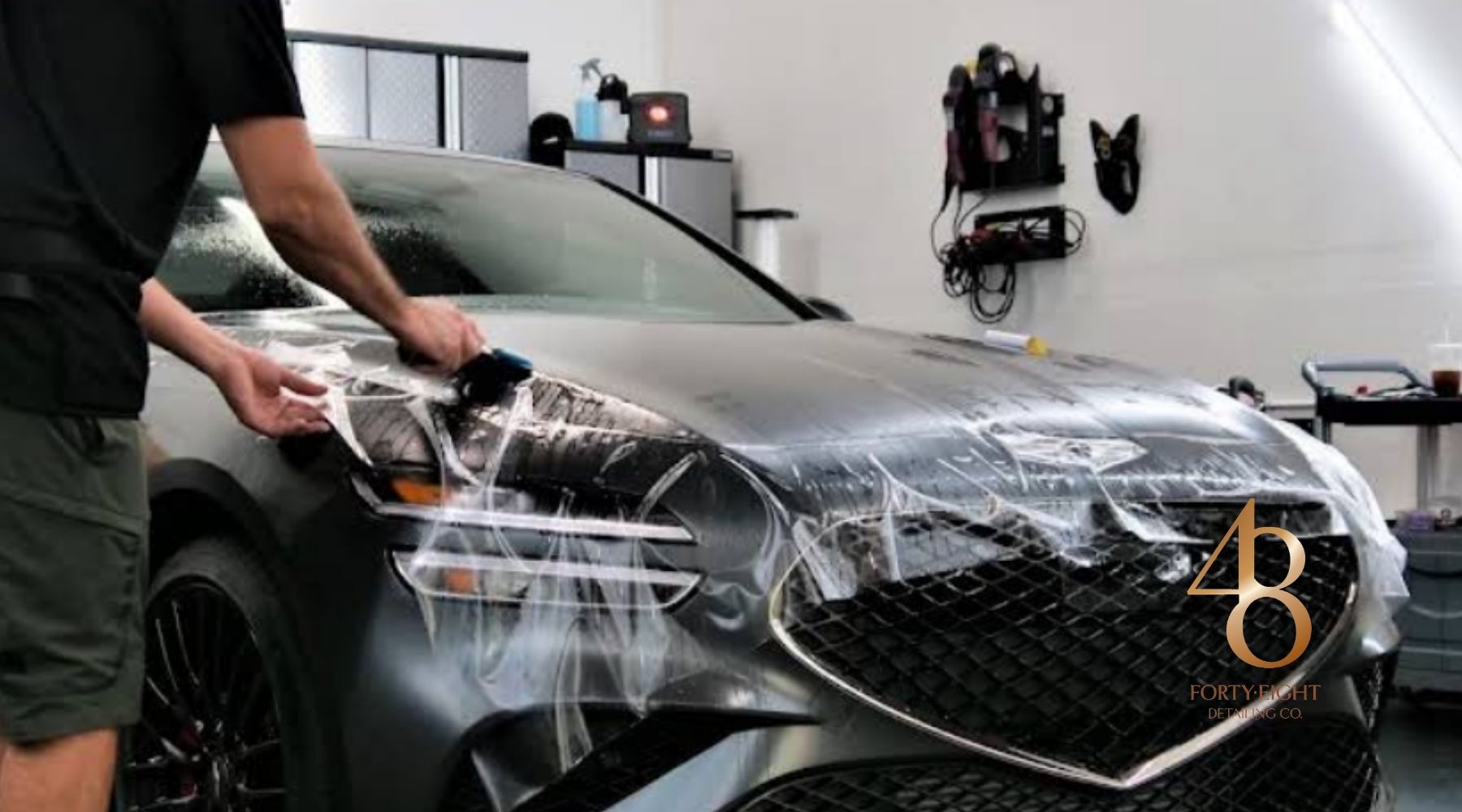
You should consider when to replace PPF in Arizona when the film shows permanent yellowing, cracking, peeling edges, bubbles, cloudiness, deep damage, or stains that no longer clean away. Replacing worn film before it becomes severely brittle can make removal easier and help maintain proper paint protection.
In Surprise, Arizona, intense sun, heat, dust, hard water, and UV exposure can accelerate wear. At 48 Detailing, we also remind customers that age alone does not determine replacement. A garage-kept vehicle may age very differently from a daily driver.
The better question is: What condition is the film in now? Below, we’ll explain the key warning signs and when replacement makes sense.
How Do You Know When to Replace PPF in Arizona?
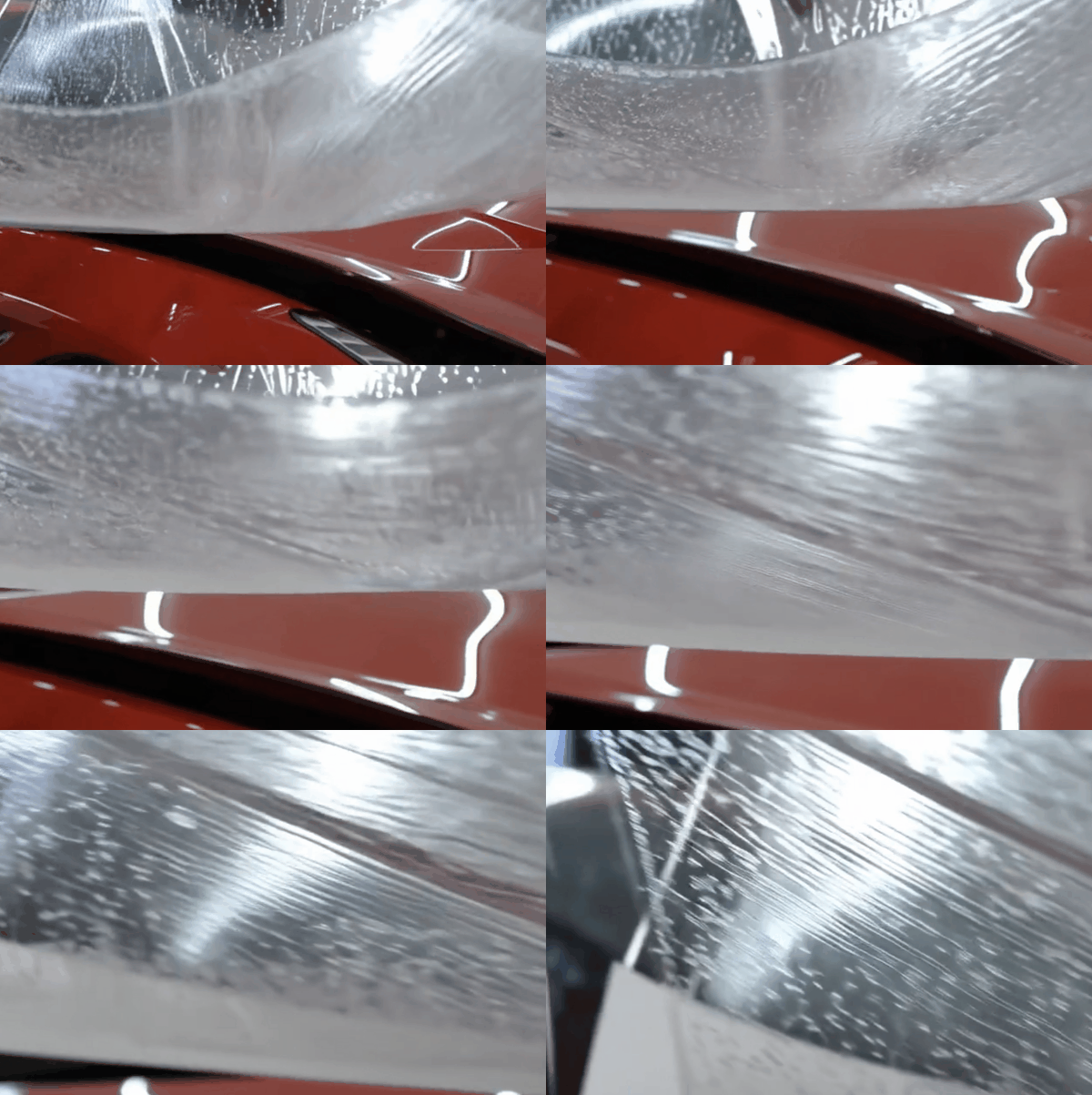
The clearest signs PPF needs replacing are permanent changes in its appearance or structure.
We recommend having the film inspected if you notice:
- Yellow or brown discoloration
- Cracks or brittle areas
- Peeling or lifting edges
- Persistent bubbles or blisters
- Cloudiness or haze
- Permanent staining or etching
- Tears, punctures, or deep impact damage
One isolated issue does not always mean every piece of PPF needs to be removed. In many cases, a damaged section can be evaluated separately.
What matters is whether the film is still clear, securely bonded, flexible, and capable of protecting the panel underneath.
How Long Does PPF Last in Arizona?
There is no single PPF lifespan in Arizona that applies to every vehicle.
Quality paint protection film can provide years of protection, but longevity depends on much more than the date it was installed.
We look at factors such as:
- Film quality
- Installation quality
- Direct sun exposure
- Vehicle storage
- Driving frequency
- Annual mileage
- Maintenance habits
- Road conditions
- Previous physical damage
Our paint protection film service in Surprise, AZ includes a 10-year warranty covering lifting, cracking, yellowing, and fading.
That warranty provides useful reassurance, but we still encourage owners to pay attention to the actual film.
A vehicle that stays garaged most of the week may age differently from a commuter exposed to Arizona sunlight every day. Likewise, a front bumper that regularly takes highway debris can show wear sooner than a protected panel with very little impact exposure.
Does Arizona Heat Automatically Ruin PPF?
No.
High-quality modern PPF is manufactured for demanding automotive use. Arizona heat does not mean properly installed film will suddenly fail.
However, prolonged UV exposure, extreme temperatures, contaminants, physical impacts, and repeated heating and cooling can contribute to long-term wear.
From what we see working with vehicles in Surprise, film condition is usually the result of several factors working together rather than heat alone.
That is why we avoid giving every customer the same replacement timeline.
What Are the Main Signs PPF Needs Replacing?
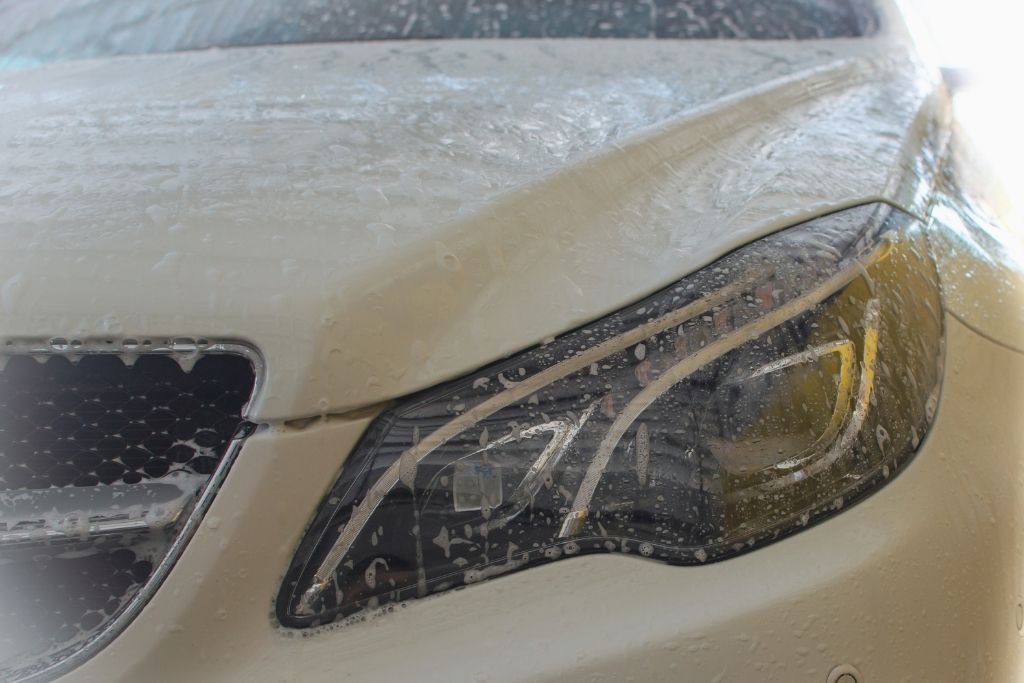
1. Is Yellowing PPF a Sign It Needs Replacement?
Noticeable yellowing PPF deserves attention, especially if cleaning does not restore its clarity.
Paint protection film, or clear bra, is intended to be visually unobtrusive. You should still be able to appreciate the paint underneath without seeing an obvious yellow or brown tint.
That said, not every color change means the film itself has failed.
Road grime, mineral deposits, embedded contamination, and neglected bug residue can make PPF look dull or discolored. We prefer to rule those problems out before recommending replacement.
If the discoloration remains after proper cleaning and decontamination, the change may be within the film or its top layer.
At that point, paint protection film replacement may be more sensible than continually trying to restore material that has permanently deteriorated.
2. What Does Cracked or Brittle PPF Mean?
Healthy film should maintain flexibility.
If you begin seeing fine cracks, dry-looking lines, or a brittle pattern across the material, the PPF may be reaching the end of its useful service life.
Cracked PPF is especially important to address because severe deterioration can eventually make removal more difficult.
A film that once comes away in a flexible sheet may behave differently once it has become dry and fragmented.
In our experience, this is one reason not to ignore advanced deterioration. Waiting until old film breaks into small brittle sections rarely makes the eventual job simpler.
3. Should Peeling Paint Protection Film Be Replaced?
It depends on how extensive the lifting is.
A small isolated edge does not automatically call for full PPF replacement in Arizona. Sometimes an installer needs to evaluate a specific corner or seam.
Widespread lifting is more concerning.
Check around the hood, fenders, bumper, mirrors, corners, and other wrapped edges. If you see curling film, exposed adhesive, or dark lines of contamination building underneath raised sections, the issue deserves attention.
Peeling paint protection film can result from several factors, including physical wear, contamination, installation problems, or adhesive deterioration.
Once an edge continues lifting and collecting debris, ignoring it usually does not improve the situation.
4. Are Bubbles or Blisters Normal?
Timing matters.
Newly installed PPF can have temporary moisture or visual irregularities while it settles and cures. Your installer should explain what to expect during that initial period.
Bubbles that suddenly appear long after installation are different.
Persistent film bubbling or blister-like areas can indicate that the film is no longer sitting correctly against the panel.
We do not recommend poking bubbles or trying aggressive DIY fixes. That can introduce contamination, damage the film, or turn a small issue into a larger one.
An inspection can help determine whether the affected section can be addressed or whether replacement is more appropriate.
5. When Does Cloudy PPF Need to Come Off?
PPF should protect your vehicle without hiding the finish underneath.
If the film becomes permanently hazy or cloudy, it can defeat one of the reasons many owners choose high-quality clear bra in the first place: protecting the finish while maintaining its appearance.
Try comparing the protected area with a nearby unprotected section of the same paint under similar lighting.
If the film-covered area remains noticeably dull after proper washing and decontamination, cloudy PPF may indicate permanent deterioration.
For many owners, especially those who care about maintaining gloss and clarity, that is a reasonable point to discuss replacement.
6. Do Permanent Stains Mean the PPF Has Failed?
Not always.
This is where realistic expectations matter.
PPF is sacrificial protection. Sometimes a mark on the film means the material absorbed damage that could otherwise have affected the paint.
Bird droppings, bug splatter, mineral deposits, road grime, and other contaminants can sometimes leave permanent etching or stains, particularly if they remain on a hot vehicle for too long.
A removable mark is a maintenance issue.
A permanent stain that will not respond to appropriate PPF-safe cleaning is different.
If you’re trying to prevent this type of deterioration on film that is still healthy, our guide to maintaining PPF during hot summers in Surprise covers practical washing and care habits for our climate.
7. Should Physically Damaged PPF Be Replaced?
Often, yes, at least on the affected section.
A large rock strike, parking scrape, road debris impact, puncture, tear, or deep scratch can damage PPF even when the rest of the installation is relatively new.
That does not necessarily mean the film failed.
Quite the opposite.
We regularly explain to customers that a damaged piece of film can be evidence that the PPF did its job. If the film took an impact and protected the factory finish underneath, it served as the sacrificial barrier it was designed to be.
Once the material is torn or deeply compromised, though, replacing the section restores continuous protection.
For owners considering PPF for the first time, our guide to the benefits of paint protection film in Surprise explains where that physical barrier can make the biggest difference.
Why Can Arizona Conditions Accelerate PPF Deterioration?
Arizona creates a demanding environment for any exterior automotive surface.
In Surprise, we regularly see vehicles exposed to strong sunlight, hot body panels, dusty roads, hard-water overspray, bugs, road debris, and sudden monsoon contamination.
PPF is engineered to handle outdoor exposure, but those stresses are cumulative.
How Does UV Exposure Affect Aging Film?
Quality PPF is designed to resist UV-related deterioration, but older or compromised materials can gradually change in appearance.
The important distinction is that Arizona sunlight does not automatically mean your film will yellow.
Film quality, age, maintenance, installation, storage, and exposure all matter.
If you see significant film discoloration, we recommend inspecting the film rather than simply assuming “Arizona heat did it.”
What Does Repeated Heat Cycling Do?
A vehicle parked in direct sunlight can become extremely hot and then cool again later.
That means the film, adhesive, and vehicle panel repeatedly experience temperature changes.
Quality materials are designed with these conditions in mind, but older film or an already compromised edge may become more vulnerable over time.
This is why PPF damage from Arizona heat is best understood as part of a larger wear pattern instead of a single cause.
When Should You Remove Paint Protection Film Instead of Repairing It?
Knowing when to remove paint protection film depends on how widespread and advanced the damage has become.
We generally recommend considering removal when the film shows:
- Widespread cracking
- Severe brittleness
- Permanent discoloration
- Multiple lifting areas
- Extensive cloudiness
- Serious physical damage
- Broad adhesive failure
There is an important difference between one damaged section and a film installation that is deteriorating across several panels.
If just the bumper has been damaged by road debris, localized replacement may be reasonable.
If the hood, bumper, fenders, and mirrors installed at the same time are all showing deterioration, broader replacement may make more sense.
What Happens During Professional PPF Removal and Replacement?
Professional PPF removal in Arizona should be approached as a paint-protection service, not simply a peeling job.
At 48 Detailing, the condition of both the film and the vehicle matters.
We Start by Inspecting the Film
Before recommending replacement, we first look at what is actually happening with the film. Yellowing may be surface contamination, while a lifting corner could be an isolated issue rather than a sign of complete PPF failure.
We also check whether multiple panels are losing adhesion and whether an impact damaged only the film or affected the paint underneath.
This helps us recommend the right level of service instead of assuming every vehicle needs complete PPF removal or replacement.
We Consider the Paint Underneath
Paint history matters.
If a panel has been repainted or repaired, that is something we want to know before removal begins.
We also consider the film’s age and condition because severely brittle material behaves differently from newer, flexible PPF.
We Prepare the Surface Before Installing New Film
Once old PPF is removed, the paint should be inspected and properly prepared before fresh film is installed.
Our process can include washing, decontamination, surface inspection, removal of products that could interfere with installation, and paint correction when appropriate.
Preparation is easy to underestimate because most of it disappears beneath the finished film.
From our perspective as installers, it is one of the most important parts of achieving a clean result.
You can learn more about our approach to professional PPF installation in Surprise, Arizona and the protection options we offer.
What Should Arizona Car Owners Consider Before Replacing PPF?
Before replacing PPF, think about how you use your vehicle and what level of protection you actually need. A daily driver that spends time on Arizona highways may benefit from broader coverage than a garage-kept weekend car.
At 48 Detailing, we recommend choosing coverage based on your driving habits, exposure, and protection goals, not simply selecting the largest package. You can view more of our vehicle protection services to see how we help drivers in Surprise protect their vehicles.
Why Trust 48 Detailing With PPF in Surprise, AZ?
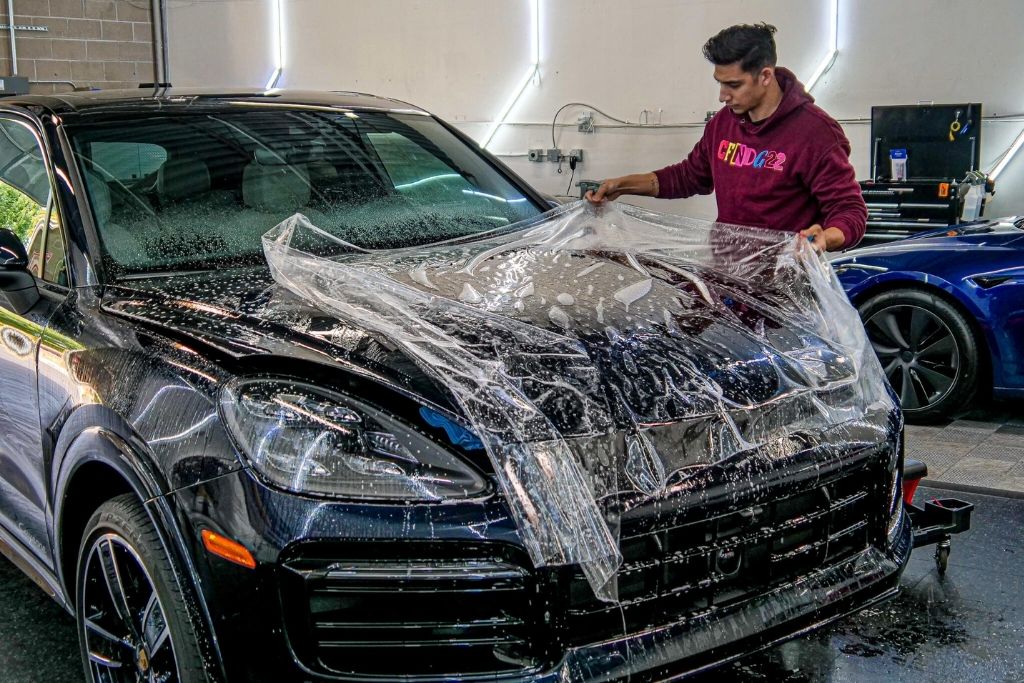
Our team works hands-on with paint protection film, ceramic coatings, window tint, paint correction, and detailing in Surprise, Arizona. That gives us first-hand insight into how West Valley heat, road debris, hard water, and everyday driving conditions can affect PPF over time.
We always recommend inspecting the film before deciding on replacement. In some cases, the PPF may only need proper cleaning, maintenance, or localized attention if the damage is limited to one section.
If the film has become brittle, cloudy, discolored, cracked, or is lifting across multiple panels, broader paint protection film replacement may be the better long-term option. Our goal is to recommend only the level of service your vehicle actually needs.
When to Replace PPF in Arizona: The Bottom Line
Knowing when to replace PPF in Arizona comes down to condition more than age. Permanent yellowing, cracks, brittleness, peeling edges, persistent bubbles, cloudiness, severe staining, and physical damage are the most useful warning signs.
Arizona heat and UV exposure can contribute to long-term wear, but quality, installation, maintenance, storage, and driving conditions also affect PPF lifespan in Arizona.
At 48 Detailing, we recommend inspecting the film before assuming it all needs to come off.
Sometimes the answer is better maintenance. Sometimes one panel needs replacing. And sometimes aging PPF has reached the point where removing it and installing fresh protection is the right call.
If you’re in Surprise or the surrounding West Valley and your clear bra is showing its age, contact our 48 Detailing team for an evaluation. We can look at the condition of the film, discuss how you use your vehicle, and recommend a practical next step.
Ready to protect the finish again? Request a PPF quote from our Surprise team and we’ll help you choose the coverage that makes sense for your vehicle.
Frequently Asked Questions
How do you know when PPF needs to be replaced?
PPF may need replacement when it develops permanent yellowing, widespread cracking, brittle areas, peeling edges, persistent bubbles, cloudiness, severe stains, tears, or punctures. We recommend judging the film by its actual condition rather than age alone.
How long does PPF last in Arizona?
There is no universal PPF lifespan in Arizona. Film quality, installation, sun exposure, parking conditions, mileage, maintenance, and physical damage all affect longevity. Premium PPF can provide many years of protection when installed and maintained correctly.
Why does paint protection film wear out faster in Arizona?
Arizona vehicles face strong UV exposure, high panel temperatures, dust, hard water, road debris, and repeated heat cycles. These conditions can contribute to deterioration over time, particularly when PPF is already old, damaged, poorly installed, or neglected.
Can you replace only one damaged PPF panel?
Often, yes. If one panel is damaged and surrounding film remains healthy, localized replacement may be appropriate. We evaluate film age, appearance, condition, warranty status, and how well the new section will match before recommending full replacement.
