

Living in Arizona comes with its perks, sunshine, scenic drives, and endless desert skies, but it also brings brutal conditions for car owners. Between the scorching sun, abrasive dust storms, and hard water mineral deposits, maintaining your vehicle’s appearance is a constant battle. So, what is ceramic coating, and why has it become the go-to solution for Arizona car owners looking to protect their investment?
In this guide, we’ll break down what ceramic coating really is, why it’s uniquely suited for Arizona’s climate, and how Surprise, AZ car owners can benefit from professional application services like those offered by 48 Detailing.
What Is Ceramic Coating?
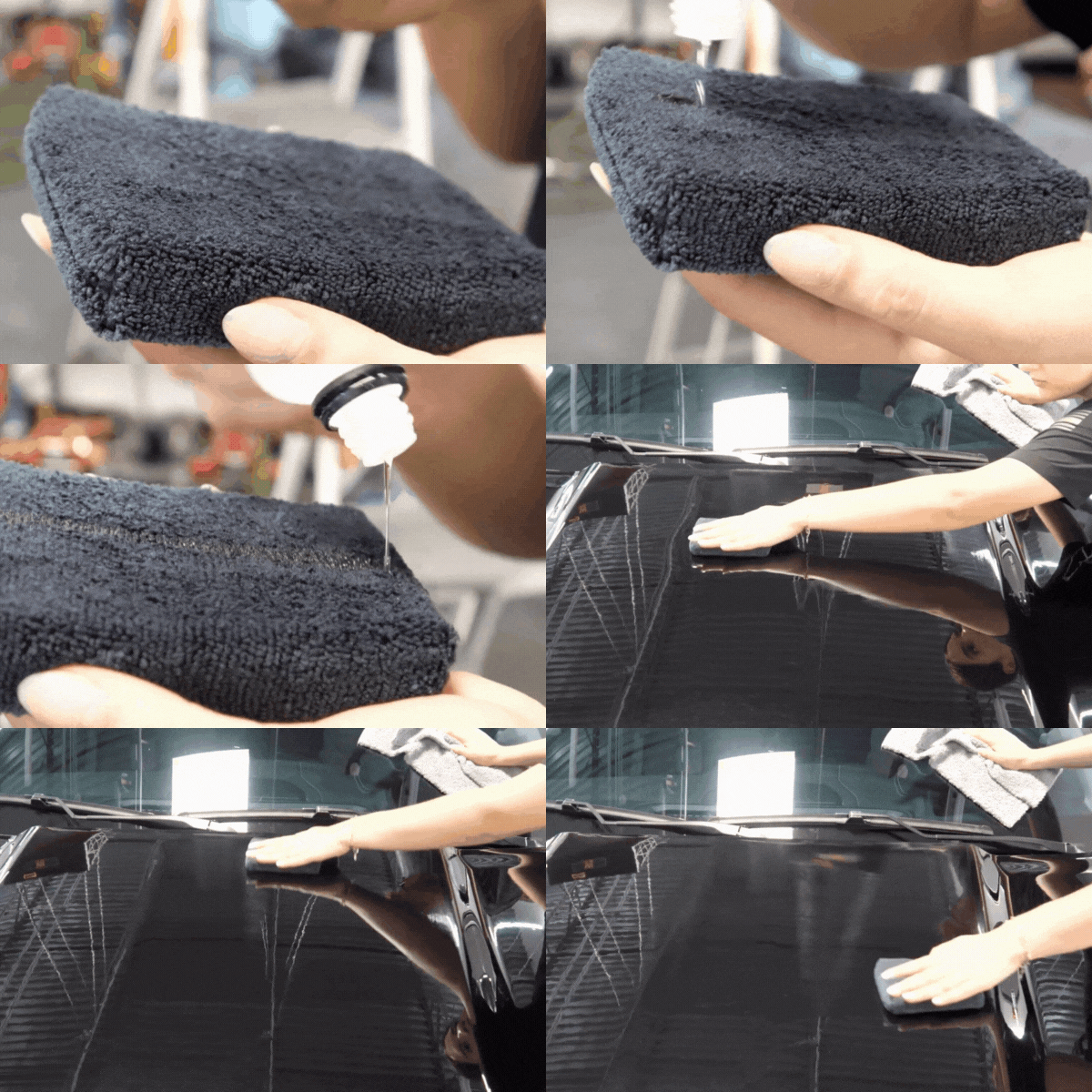
Ceramic coating is a liquid polymer that chemically bonds to your car’s factory paint, forming a durable, semi-permanent protective layer. Unlike waxes or sealants that merely sit on top of the paint, ceramic coatings integrate with the clear coat at a molecular level, offering long-term protection and superior performance.
This advanced product, often referred to as a nano ceramic coating for cars, creates a hydrophobic coating that actively repels water, dust, and grime. The result is a smooth, slick surface that stays cleaner for longer and showcases a showroom gloss car exterior finish.
Modern ceramic coatings also provide resistance to chemical stains, UV degradation, and environmental contaminants, all common threats in harsh climates like Arizona.
Why Ceramic Coating Is Essential for Your Vehicle
Ceramic coatings are used to:
- Shield your car from UV rays, oxidation, and fading– Helps preserve the original color and vibrancy of your paint by reflecting harmful solar radiation.
- Prevent chemical etching from bird droppings, bugs, and tree sap – The protective layer resists harsh contaminants that would otherwise stain or eat into your paint.
- Reduce micro-abrasions and swirl marks from dust and washing – Acts as a sacrificial layer against fine scratches, especially important in dust-prone areas like the desert.
- Enhance gloss and maintain a clean, polished look for longer – The glass-like finish adds depth and richness to your vehicle’s appearance.
- Simplify maintenance with a slick, water-repellent surface – Water and dirt bead off easily, reducing the need for frequent washes and heavy scrubbing.
- Increase overall longevity and resale value – Well-maintained ceramic coatings help retain your vehicle’s aesthetic appeal, which can positively impact resale or trade-in value.
Ceramic coating is more than just a cosmetic upgrade; it’s a functional investment in your car’s long-term protection and appearance.
Why Arizona Car Owners Need Ceramic Coating
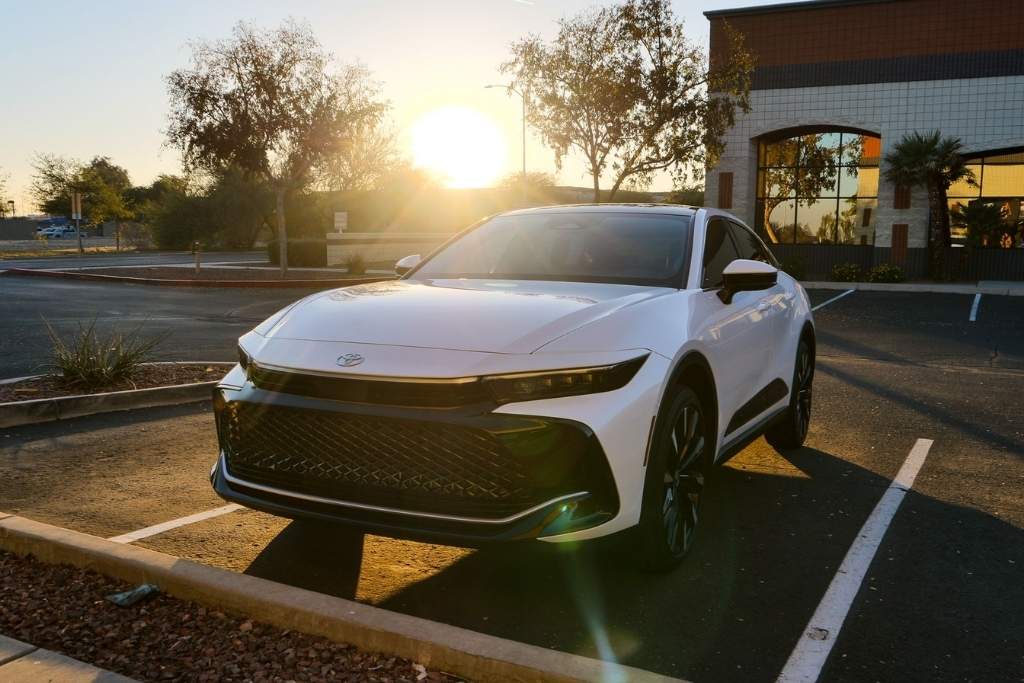
Arizona’s climate is both beautiful and brutal, especially for your car’s paint. From relentless UV rays to swirling desert dust and mineral-heavy rainwater, local conditions can quickly take a toll on an unprotected vehicle.
UV Rays & Heat
With over 300 sunny days per year, Arizona’s extreme sun exposure leads to rapid paint fading, clear coat breakdown, and oxidation. Your vehicle’s exterior can reach temperatures over 140°F, which causes traditional waxes to melt or degrade. A high-quality ceramic coating provides UV fade resistance to car paint, acting like a sunscreen for your vehicle and maintaining a vibrant finish under intense solar exposure.
Dust, Sand & Micro-Abrasions
Desert winds carry fine dust and sand that can act like sandpaper on your car’s paint. Even routine washing can cause swirl marks if abrasive particles aren’t fully removed first. A ceramic coating adds a hardened, micro-abrasion car finish barrier, helping protect against desert debris and reducing the risk of scratching during cleaning.
Monsoon Rains & Hard Water Spots
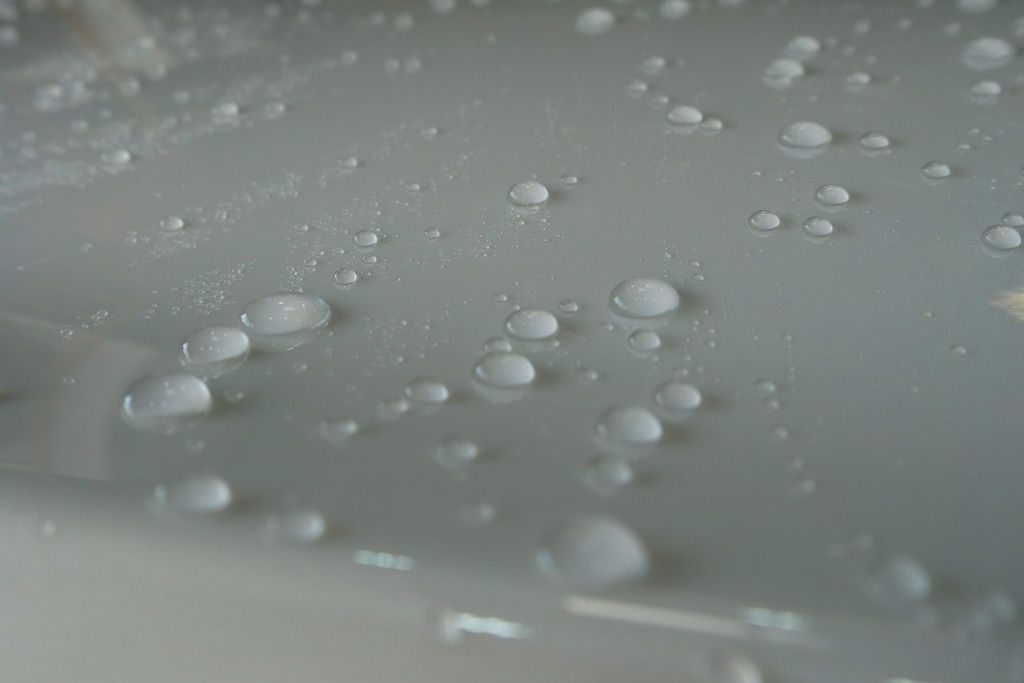
Arizona’s monsoon season brings brief but intense downpours, often followed by sun and dust. Combined with hard water from local sources, this leads to stubborn water spots and mineral deposits that etch into paint. The hydrophobic vehicle coating created by ceramic treatment causes water to bead up and roll off, minimizing spot formation and preserving your vehicle’s shine.
With these local hazards in mind, ceramic coating becomes not just a luxury but a practical necessity for long-term paint protection in Arizona.
Related Insight: Discover how ceramic coating can effectively prevent water spots on Arizona vehicles, especially during monsoon season.
Key Benefits of Ceramic Coating in Desert Climates
Living in a desert climate like Arizona demands more than just regular car washes; it requires a long-term protection strategy. That’s where ceramic coating shines. Here’s why ceramic car coating benefits make it an ideal investment for Arizona car owners:
- UV Protection: Acts as a powerful barrier against the sun’s rays, preventing oxidation and fading while maintaining your vehicle’s original color and vibrancy.
- Elongated Chemical Resistance: Provides extended protection against harsh contaminants like bird droppings, sap, and road film that can damage unprotected paint.
- Water Repellency: The hydrophobic vehicle coating causes water to bead up and roll off effortlessly, helping to reduce water spots and staining from Arizona’s mineral-rich rain and rinse water.
- Dust Protection: Desert dust and sand are abrasive. A ceramic layer makes it harder for these particles to stick, keeping your vehicle cleaner between washes and reducing surface scratching.
- Long-Term Gloss: Ceramic coating enhances your car’s appearance with a showroom-gloss exterior that’s both deep and reflective, lasting for years rather than weeks.
- Resale Value: A well-maintained coating helps preserve paint quality and minimizes cosmetic damage, boosting your vehicle’s resale or trade-in value.
- Ease of Maintenance: With reduced dirt and grime adhesion, routine cleaning becomes quicker, less frequent, and more effective, especially important for busy Arizona drivers.
Whether you’re protecting a daily driver or a weekend showpiece, ceramic coating offers a smart, long-term solution tailored for Arizona’s demanding desert environment.
Also explore how long ceramic coatings can really last on your vehicle by reading our in-depth guide on the lifespan of ceramic coatings in Arizona.
The Science Behind Ceramic Coating
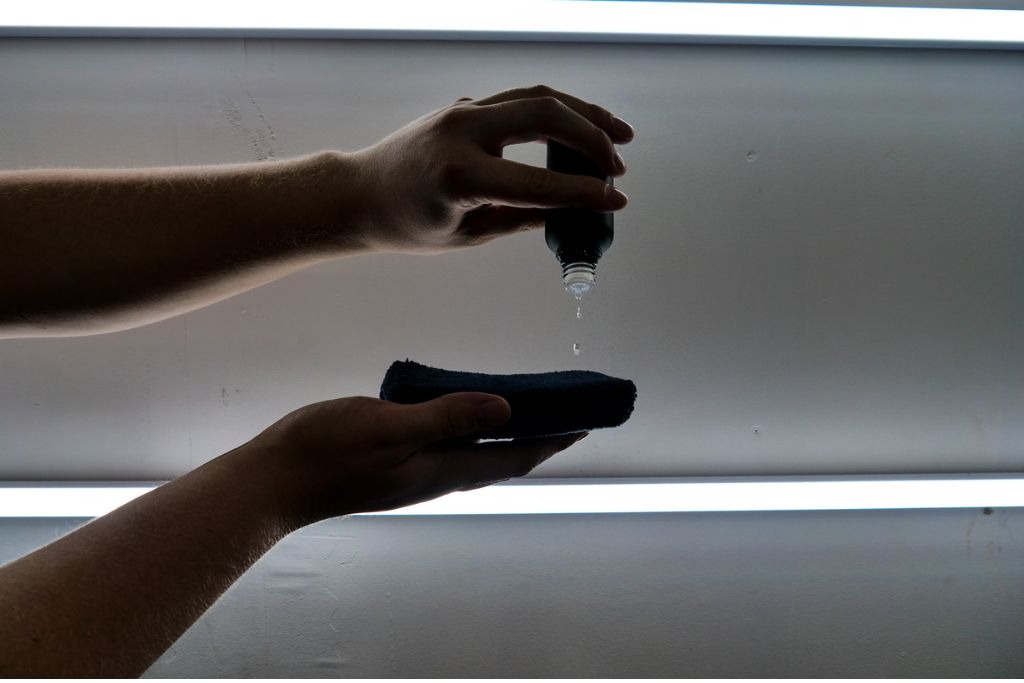
At its core, ceramic coating is a clear coat bonded to a polymer fortified with nanotechnology. These microscopic particles form an invisible, ultra-thin shield that adheres to the paint at a molecular level. Once cured, it creates a paint protection layer that’s harder than the original clear coat, delivering superior resistance to heat, UV rays, oxidation, minor scratches, and environmental contaminants.
This automotive detailing nano-coating is engineered to withstand Arizona’s extreme temperatures, well above what traditional waxes or sealants can handle, making it a high-performance solution for desert driving conditions.
Surface Preparation is Crucial
Even the most advanced ceramic coating can only perform as well as the surface it’s applied to. That’s why surface preparation is non-negotiable in the ceramic coating process. Before any coating is applied, the vehicle must be meticulously prepared to ensure proper bonding, durability, and long-term performance.
If swirl marks, scratches, or imperfections are present, paint correction can be added prior to coating application to properly dial in the paint. This ensures the coating enhances the finish rather than sealing in defects.
Proper surface preparation typically includes:
A full exterior wash and decontamination to remove dirt, dust, bugs, sap, tar, and road grime
Clay bar treatment to eliminate embedded contaminants and improve surface texture
Light primer polishing to enhance gloss and create anchor points for the coating to properly bond to the paint
Skipping or rushing this process can result in sealed-in flaws, reduced gloss, and compromised coating performance, making professional preparation essential for long-lasting results.
People Also Ask: Why must the vehicle surface be properly prepared before applying a ceramic coating?
Improper preparation leads to poor adhesion, limiting durability, reducing visual clarity, and shortening the coating’s lifespan.
By ensuring a pristine base, professional installers like the team at 48 Detailing in Surprise, AZ can deliver maximum performance, longevity, and that flawless, glass-like finish ceramic coatings are known for.
Why Professional Application Matters in Arizona
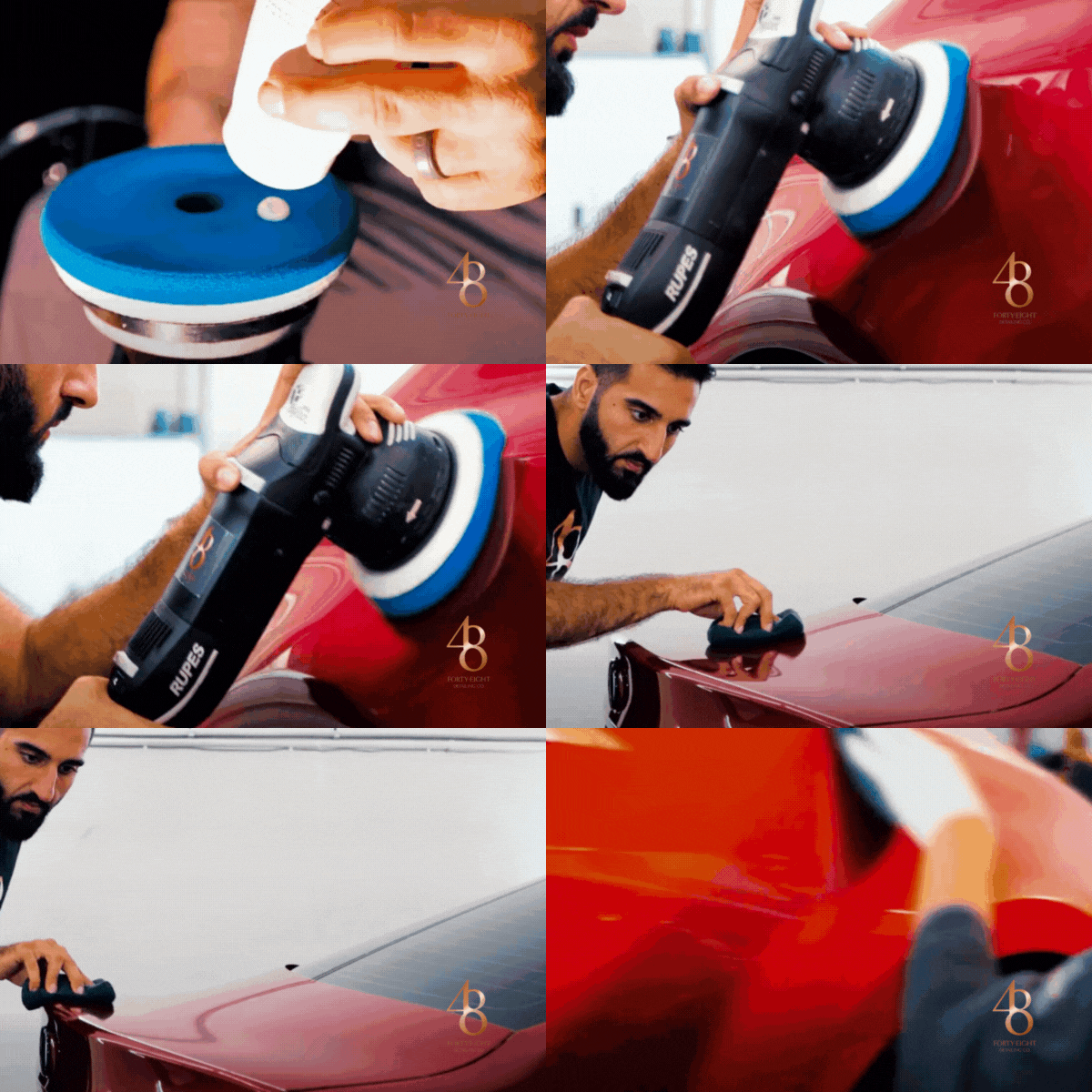
Applying ceramic coating isn’t just about wiping on a product, it’s a precise process that requires experience, the right tools, and a controlled environment. In Arizona, where extreme heat and low humidity can directly affect curing times and coating performance, professional application is essential for long-term results.
At 48 Detailing, ceramic coatings are applied by trained technicians in a controlled indoor environment to prevent dust contamination and uneven curing. This professional process ensures proper adhesion, consistent coverage, and maximum durability.
The professional application process includes:
Full Decontamination: A multi-step cleaning process that includes a hand wash, clay bar treatment, and chemical fallout removal to eliminate dirt, embedded contaminants, and surface impurities.
Paint Inspection: Performed after the full decontamination process to properly assess the paint’s condition and determine the appropriate next steps.
Light Primer Polish (Standard): Included with every ceramic coating package. This step enhances gloss and creates anchor points for the ceramic coating to properly bond to the surface. It does not remove swirls, scratches, or marring.
Paint Correction (Optional Add-On): If swirl marks, scratches, marring, or oxidation are a concern, paint correction can be performed prior to coating application. This service is based on the client’s goals and the technician’s inspection and can address certain pre-existing paint defects before the coating is applied.
Precision Coating Application: The ceramic coating is carefully hand-applied and evenly cured, forming a strong bond with the paint for long-lasting protection.
Skipping professional preparation or applying coatings in uncontrolled environments can compromise bonding, gloss, and durability, especially in Arizona’s demanding climate. That’s why professional application isn’t optional; it’s critical for achieving reliable, long-term ceramic coating performance.
Tailored Coating Packages
48 Detailing offers three professionally installed ceramic coating packages to suit different protection levels and budgets:
- Bronze Package: 1–2 years of durable protection, ideal for short-term coverage or leased vehicles.
- Silver Package (Most Popular): 3–4 years of enhanced gloss, chemical resistance, and UV protection, great for daily drivers in harsh climates.
- Gold Package: 5–7 years of maximum durability, deep gloss, and long-term car exterior maintenance benefits, perfect for high-end or enthusiast vehicles.
A professional application not only ensures a better finish but also extends the life of your investment, especially in Arizona’s extreme desert conditions.
Ceramic Coating vs Wax: Which Is Better?
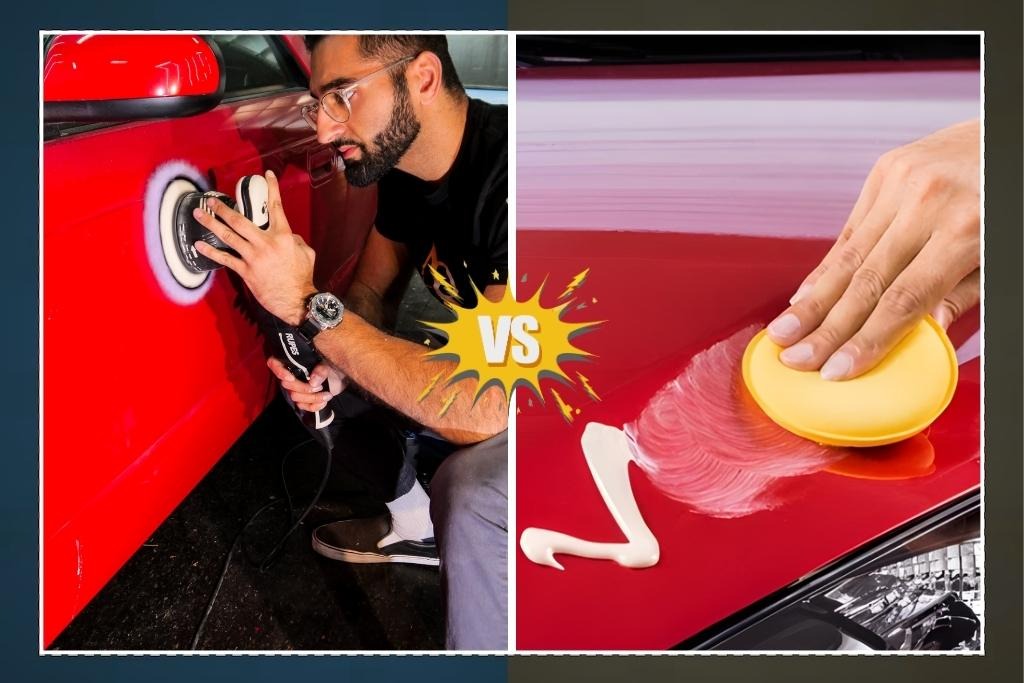
When it comes to protecting your vehicle’s paint, the ceramic coating vs wax car debate often boils down to performance, durability, and climate compatibility. In Arizona, ceramic coating is the clear winner.
Traditional waxes offer a short-lived shine and minimal protection. They sit on top of the paint, degrade quickly in high heat, and require frequent reapplication. In contrast, ceramic coatings chemically bond with the paint and hold up under the toughest conditions, including Arizona’s extreme heat, UV exposure, and dust.
Let’s break it down:
Longevity:
- Ceramic coating: 3–6 years
- Wax: 2–3 months, but in Arizona’s heat, its lifespan can drop to a few weeks.
Protection:
- Ceramic: Semi-permanent bond that resists UV rays, contaminants, and micro-scratches
- Wax: Temporary layer vulnerable to washing, rain, and sun exposure
Maintenance:
- Ceramic: Easier to clean, fewer water spots, and longer-lasting shine
- Wax: Requires frequent upkeep and offers limited hydrophobic performance
Cost Over Time:
While ceramic coating has a higher upfront cost, it pays off through reduced maintenance and long-term paint preservation, especially important in Arizona’s harsh environment.
For Arizona car owners serious about protecting their vehicles, ceramic coating offers unmatched durability, appearance, and value.
Interested in how ceramic compares to other options? Check out our guide to paint protection film vs ceramic coating for Arizona drivers.
How to Maintain Ceramic Coating on Your Car
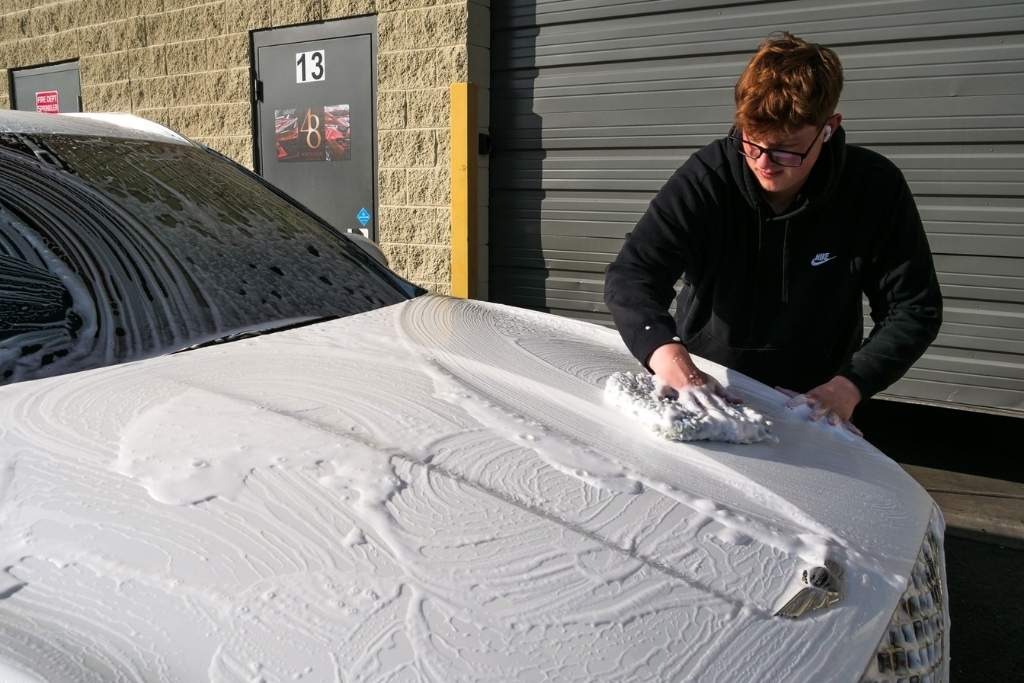
A ceramic coating offers long-term protection, but proper maintenance is key to maximizing its performance and lifespan, especially in Arizona’s extreme climate. Follow these tips to keep your coating in peak condition:
- Wash Every 1–2 Weeks: Use a pH-neutral shampoo and the two-bucket method with microfiber mitts to avoid introducing swirl marks or micro-scratches.
- Avoid Automatic Car Washes: Especially those with spinning brushes, which can degrade the coating and damage your paint over time.
- Spot Clean Quickly: Promptly remove bird droppings, bug splatter, tree sap, and hard water spots to prevent chemical etching, even though the coating provides a barrier, time still matters.
- Schedule Annual Inspections: A yearly check-up by a professional can catch wear early. Boosters or top coats can be applied to enhance hydrophobicity and UV resistance.
- Use Covered Parking When Possible: While ceramic coatings offer excellent UV fade resistance, parking in the shade or using a car cover adds another layer of protection against Arizona’s punishing sun.
- Avoid Harsh Chemicals: Skip cleaners with high acidity or abrasiveness, as they can shorten the coating’s lifespan.
With the right care, your ceramic coating will keep your car looking stunning and protected for years to come.
Pro Tip: Check out our full guide on how often you should recoat ceramic coatings to stay ahead of wear and tear.
How Much Does Ceramic Coating Cost in Arizona?
In Arizona, where environmental factors aggressively wear down automotive finishes, ceramic coating is a smart investment, but how much should you expect to pay?
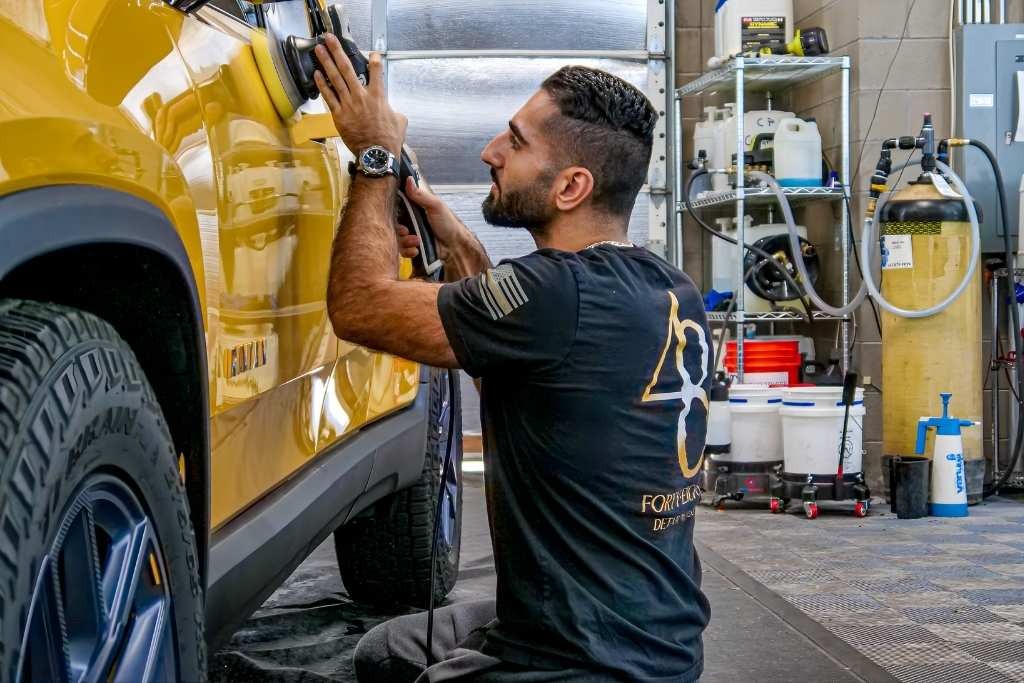
According to 48 Detailing’s pricing guide, ceramic coating services typically range from $500 to $2,000, with prices influenced by several key factors:
- Coating Longevity: Packages vary from 1 to 6 years of protection; longer durations come at a higher cost but offer extended peace of mind.
- Vehicle Size and Condition: Larger vehicles or those requiring extensive paint correction will naturally cost more due to the additional labor and materials required.
- Service Provider Experience: Skilled professionals with a proven track record (like 48 Detailing) may charge more, but deliver significantly better, longer-lasting results.
- Package Features: Some packages include multi-layer applications, gloss enhancement, or additional surface protection, such as glass or wheel coatings.
- Surface Preparation: The more corrections a vehicle needs (e.g., swirl removal, oxidation repair), the more time and materials are required, which can affect the final cost.
Why Is the Upfront Cost Worth It?
Because ceramic coating drastically reduces the need for constant washing, waxing, and paint correction. Over time, you’ll save on maintenance costs and protect your car’s vehicle resale value and finish retention, especially important in Arizona’s harsh climate, where unprotected paint deteriorates quickly.
It’s not just about making your car look great; ceramic coating is a proactive, long-term solution to preserving your investment.
Conclusion
So, what is ceramic coating? It’s more than a trend; it’s essential protection for Arizona car owners who want to maintain their vehicle’s appearance and value under relentless environmental stress.
If you’re in Surprise, AZ, and want long-lasting protection, expert service, and a glossy finish that turns heads, look no further than 48 Detailing. With tailored ceramic coating packages and top-tier products, they’re your go-to destination for automotive ceramic coating protection.
FAQs
What is ceramic coating, and why is it used on vehicles?
Ceramic coating is a protective liquid polymer that bonds with paint to guard against environmental damage and enhance shine.
Why does a car in Arizona need a ceramic coating?
To protect against UV rays, dust storms, heat, and hard water, conditions that rapidly degrade unprotected paint.
Why does a ceramic coating last longer than wax or sealant?
Because it chemically bonds to the paint, creating a semi-permanent barrier that resists heat and abrasion.
Why do dirt, sand, and dust affect unprotected paint in desert climates?
Arizona’s dry climate creates fine dust that scratches and embeds into untreated paint.
Why is a professional application better than DIY?
Professional detailers ensure proper surface prep, even application, and curing, essential for durability in Arizona’s extreme conditions.
