
Paint correction before ceramic coating can make a noticeable difference when swirl marks, scratches, water spots, or other imperfections are affecting your vehicle’s finish. But not every car needs extensive correction. If the paint is already in great shape, a thorough decontamination and light polish may be enough to prepare it for ceramic coating.
That’s why, at 48 Detailing, we look at the paint itself rather than automatically recommending correction. Some vehicles need only light refinement, while others benefit from correcting noticeable defects first.
This matters because ceramic coating won’t erase existing imperfections, it protects and enhances the finish underneath. So, how do you know what your vehicle actually needs? It starts with understanding what paint correction does and when it adds real value.
What Does Paint Correction Before Ceramic Coating Actually Do?
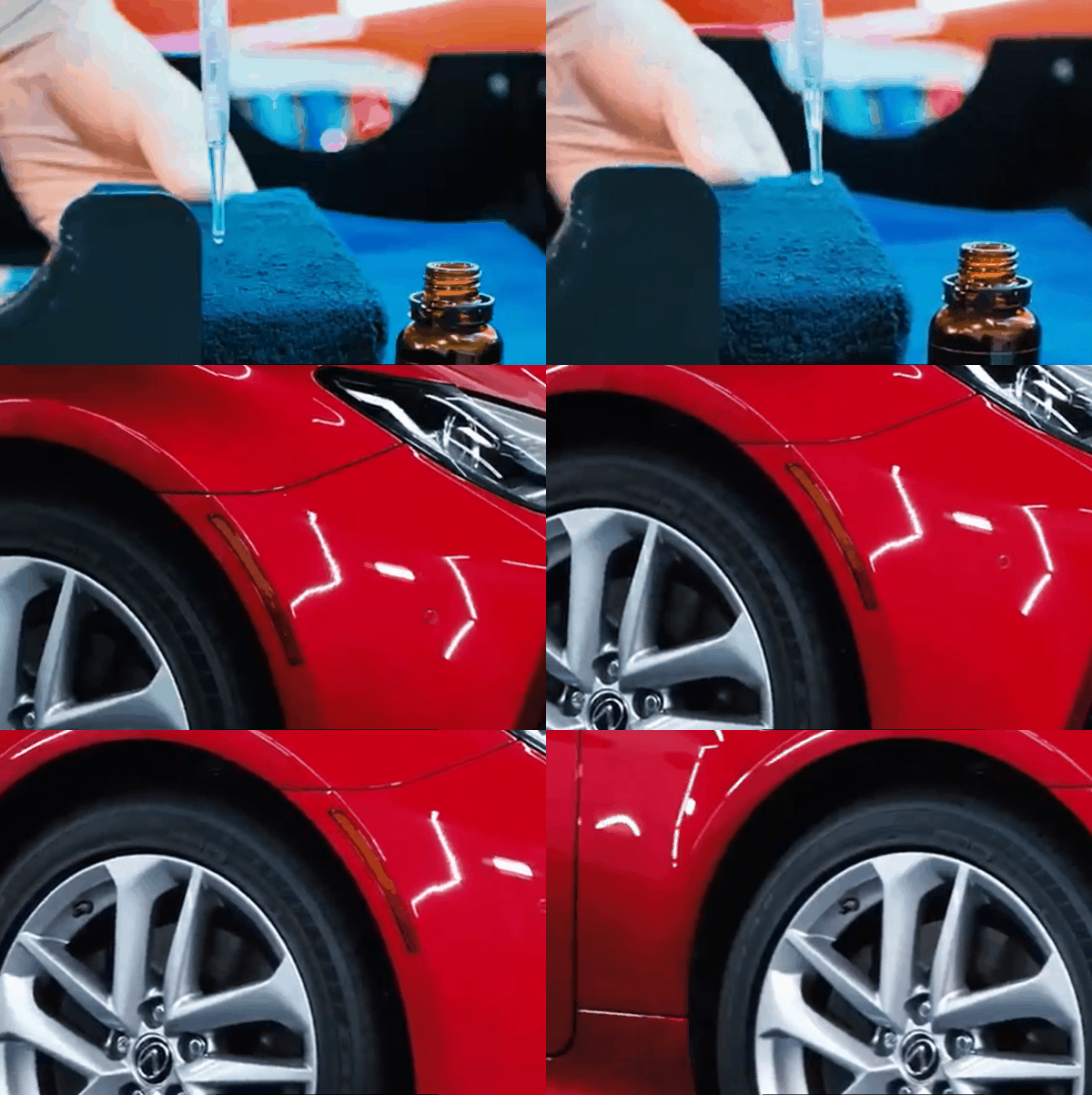
Paint correction is a controlled polishing process used to reduce imperfections in a vehicle’s clear coat.
When we inspect paint, we’re looking for issues such as swirl marks, fine scratches, water spot etching, oxidation, haze, and other clear coat imperfections that interfere with gloss and clarity.
These defects affect how light reflects from the paint. Instead of producing a clean, crisp reflection, an imperfect surface scatters light and can make otherwise beautiful paint look dull or cloudy.
Professional machine polishing can reduce many of these imperfections and restore a smoother, clearer appearance.
We Don’t Believe More Correction Is Always Better
One of the most important things to understand about professional paint correction is that the goal shouldn’t be to polish as aggressively as possible.
Your vehicle has a finite amount of clear coat. Removing more material than necessary simply to chase every tiny imperfection doesn’t always make sense.
Our approach is to determine the level of correction that produces the improvement you want while preserving as much healthy clear coat as possible.
For one vehicle, that might mean a light finishing polish. Another may benefit from one-step paint correction. Paint with heavier defects could require a more involved two-step process.
We let the condition of the vehicle guide that decision.
Why Correct Paint Defects Before Applying Ceramic Coating?
Ceramic coating and paint correction accomplish different things.
Paint correction improves the condition and appearance of the existing finish. Ceramic coating adds protection to that prepared finish.
A coating itself isn’t designed to remove swirl marks or scratches.
If we apply ceramic coating over existing imperfections, those imperfections are still underneath the coating. And because ceramic coatings can increase gloss and reflectivity, some defects may actually become easier to notice under direct lighting.
That’s particularly relevant here in Surprise, where strong Arizona sunlight can reveal imperfections that are much less noticeable inside a garage.
Ceramic Coating Protects the Finish Underneath
A good way to understand the process is:
Wash → Decontaminate → Inspect → Correct or Refine → Final Prep → Ceramic Coat
At 48 Detailing, preparation is a major part of our ceramic coating service in Surprise, AZ.
Before applying the coating, we thoroughly clean and decontaminate the exterior. We then inspect the paint for swirl marks, scratches, water spots, and other defects.
If the finish only requires light refinement, we can address that accordingly. When the paint has more noticeable defects, additional correction may make sense before coating.
The objective is to create a finish you’ll actually want to preserve.
How Do We Determine Whether Your Car Needs Paint Correction?
We inspect the actual paint rather than making a recommendation based solely on the vehicle’s age.
A car can look fantastic while sitting in a shaded garage but reveal numerous imperfections once it is examined under direct sunlight or proper inspection lighting.
During an inspection, we look for signs such as:
- Circular or spiderweb-like swirl marks
- Fine scratches
- Dull or hazy areas
- Water spots and etching
- Paint oxidation
- Previous polishing haze
- Inconsistent paint clarity
- Uneven gloss between panels
If these defects are noticeable and they bother you, paint correction before ceramic coating may be worth considering.
But there’s another important factor: not every defect should necessarily be chased.
Some Scratches Are Too Deep to Safely Remove
Paint correction has limitations.
A light scratch contained within the upper portion of the clear coat may respond very well to machine polishing. A deep scratch that penetrates too far into, or through, the clear coat is a different situation.
Trying to completely remove a deep defect through aggressive polishing could sacrifice too much clear coat.
In cases like these, improvement may be a more responsible goal than complete removal.
That’s why we believe an honest paint assessment matters. We’d rather explain what can reasonably be improved than promise perfection when aggressive correction could compromise the finish.
One-Step vs. Two-Step Paint Correction: How Much Does Your Car Need?
There isn’t one paint correction process that makes sense for every vehicle.
When deciding how far to take a correction, we consider the severity of the defects, how the paint responds to polishing, and what you expect the vehicle to look like afterward.
When One-Step Paint Correction May Be Enough
A one-step paint correction uses a single machine-polishing stage to reduce defects while improving gloss and clarity.
It can be a practical choice when the paint is generally healthy but has light imperfections such as:
- Minor swirl marks
- Light wash-induced defects
- Mild haze
- Fine scratches
- Reduced gloss
For many daily drivers, one-step correction can provide an excellent balance.
The goal doesn’t always need to be flawless paint. If one polishing stage significantly improves the defects you notice most, going further may offer diminishing returns.
When Two-Step Paint Correction May Make More Sense
A two-step correction generally involves a more aggressive initial correction stage followed by a finer polishing stage to refine the finish.
We may consider this approach when dealing with heavier swirl marks, more noticeable scratches, oxidation, significant haze, or paint that has lost substantial clarity.
Different paint systems also react differently to polishing.
That’s why experienced correction involves more than simply choosing the strongest compound available. The pad, abrasive, machine, technique, paint condition, and desired outcome all play a role.
Our objective is always to achieve meaningful improvement without unnecessarily removing clear coat.
When Is Paint Correction Before Ceramic Coating Worth the Extra Cost?
For us, the key question is: Will correcting the existing defects noticeably improve the finish you want to protect?
Paint Correction Is Often Worth Considering When:
Paint correction can be worthwhile when your vehicle has visible swirl marks, fine scratches, etched water spots, haze, or dull paint. It also makes sense if you want to maximize gloss and paint clarity before applying long-term protection.
When Extensive Correction May Not Be the Best Investment
If your paint is already in excellent condition, extensive correction may offer little visible improvement. Your maintenance habits matter, too—regular brush-style car washes can quickly introduce new swirl marks after correction.
For daily drivers, it’s about balancing appearance, protection, maintenance, and budget. Learn more in our guide to ceramic coating for daily drivers in Surprise, AZ.
Ultimately, we recommend a level of correction that makes sense for your paint condition and how you use your vehicle.
Paint Correction Is Only Part of Ceramic Coating Preparation
Correcting defects is only one part of proper ceramic coating preparation. Before polishing, we thoroughly clean and decontaminate the paint to remove dirt, fallout, and bonded contaminants that regular washing may leave behind.
Once the surface is clean, we can inspect the paint, perform the appropriate correction, and remove polishing residue before applying the coating.
We think of the process simply: decontaminate, correct, prepare, and protect. Each step creates a better foundation for the ceramic coating and the finished result.
Why Paint Correction Matters for Cars in Surprise, Arizona
Arizona conditions can make even minor paint imperfections much easier to notice. Strong sunlight highlights swirl marks, fine scratches, and haze, while heat, dust, road contaminants, and mineral-rich water can contribute to water spots and a duller-looking finish over time.
Dust can also become a problem when it’s wiped or washed incorrectly, creating new scratches and swirl marks. That’s why car paint correction in Surprise, AZ isn’t just about restoring gloss, it’s also about creating a finish worth maintaining.
After correction and ceramic coating, proper care makes a difference. Regular hand washing, careful drying, prompt removal of contaminants, and avoiding harsh brush-style car washes can help preserve paint clarity and keep the finish looking its best.
Paint Correction and Ceramic Coating Should Work Together
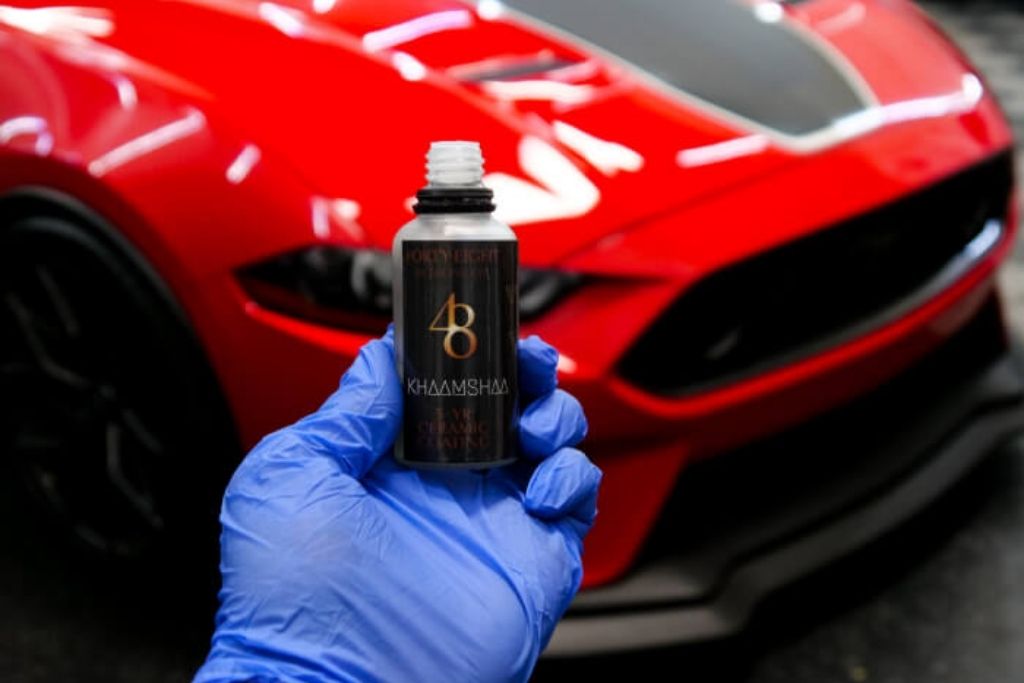
We view paint correction and ceramic coating as complementary processes.
Correction gives us an opportunity to improve the finish. Coating allows us to protect and enhance the properly prepared surface afterward.
But the appropriate combination varies from vehicle to vehicle.
We consider:
- Current paint condition
- Severity of the defects
- Your appearance expectations
- How you use the vehicle
- Where the vehicle is stored
- How you wash and maintain it
- Your budget
- How long you plan to keep the vehicle
Some cars only need decontamination and light refinement. Others are excellent candidates for one-step paint correction. More heavily defected paint may justify two-step correction.
There are also situations where ceramic coating isn’t the only protection worth considering.
For example, ceramic coating and paint protection film perform different jobs. Ceramic coating is excellent for gloss, hydrophobic behavior, easier maintenance, and environmental protection, while PPF provides a physical barrier against impacts such as road debris.
Performance-car owners can see how those technologies complement each other in our guide to using PPF and ceramic coating on Corvette C8s.
The key is choosing protection based on what your vehicle actually needs.
Final Thoughts: Is Paint Correction Before Ceramic Coating Worth It?
We believe paint correction before ceramic coating is worth considering whenever improving the existing paint will make a meaningful difference to the finish you want to protect.
But we don’t believe every vehicle needs the most aggressive correction available.
A well-maintained vehicle may only need thorough decontamination and light polishing. A daily driver covered in moderate swirl marks might benefit from one-step correction. A vehicle with heavier defects may justify a more involved paint restoration process.
At 48 Detailing, we prefer to inspect first and recommend the appropriate level of preparation second.
We specialize in premium automotive detailing and paint protection in Surprise, AZ, including ceramic coatings, paint protection film, window tinting, and professional detailing. Our focus is on careful preparation, quality workmanship, and helping you choose a solution that makes sense for your vehicle.
Not sure what your paint actually needs? Contact 48 Detailing for an inspection and quote, and we’ll help you determine the right level of paint preparation before your ceramic coating.
Frequently Asked Questions
Why Should Paint Defects Be Corrected Before Applying Ceramic Coating?
Ceramic coating doesn’t remove existing paint defects.
Correcting appropriate imperfections first can improve clarity, gloss, and reflection so you’re protecting a better-looking finish rather than simply coating over defects you already dislike.
What Happens If Ceramic Coating Is Applied Over Swirl Marks?
The swirl marks remain underneath the coating.
Because the coating can increase gloss and reflectivity, some imperfections may also become easier to see under strong sunlight or direct inspection lighting.
Can Paint Correction Remove Every Scratch?
No.
Many fine scratches and clear coat imperfections can be significantly improved through machine polishing. Deeper scratches may extend too far into the clear coat to safely remove completely.
Our goal is to improve defects without compromising the long-term integrity of the finish.
How Much Does Paint Correction Cost in Surprise, AZ?
Paint correction cost in Surprise, AZ depends on several factors, including vehicle size, paint condition, defect severity, the amount of correction required, and the desired result.
Because every vehicle arrives in a different condition, inspecting the paint gives us a much better basis for recommending the appropriate service than relying on a one-size-fits-all answer.
