Bird droppings, every car owner’s dreaded sight, especially if you’ve just detailed your vehicle or had it freshly waxed. Unfortunately, these seemingly harmless nuisances are more damaging than you might think. If you’re a vehicle owner in Surprise, Arizona, understanding how to prevent and manage bird-dropping damage can save you costly repairs down the road.
In this guide, we’ll dive into how to effectively protect your car’s paint, maintain its glossy finish, and minimize the harmful effects of acidic bird droppings.
Why Are Bird Droppings So Damaging to Car Paint?
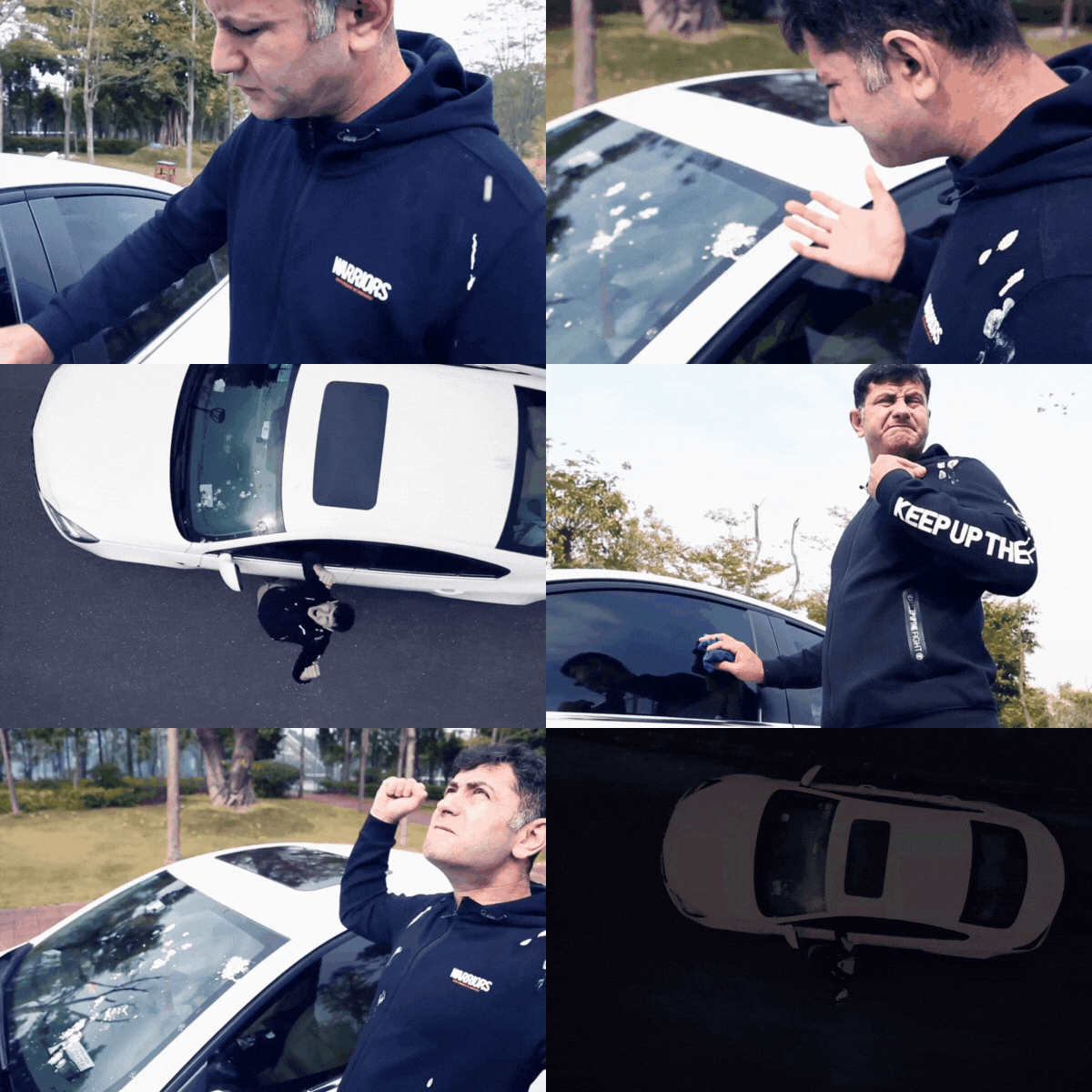
Clean bird droppings quickly to protect your car from bird droppings and prevent permanent paint etching.
Bird droppings aren’t just an eyesore; they’re acidic enough to cause significant harm to your car’s clear coat, resulting in unsightly stains and even permanent damage. The level of acidity depends on the bird species and their diet, making some droppings particularly aggressive. If left untreated, these acidic droppings can quickly lead to acid etching, which penetrates the clear coat and damages the underlying paint layers.
Quick Insight: The longer bird droppings remain, especially under intense Arizona sun, the greater the risk of irreversible damage.
Immediate Steps for Safe Removal of Bird Droppings
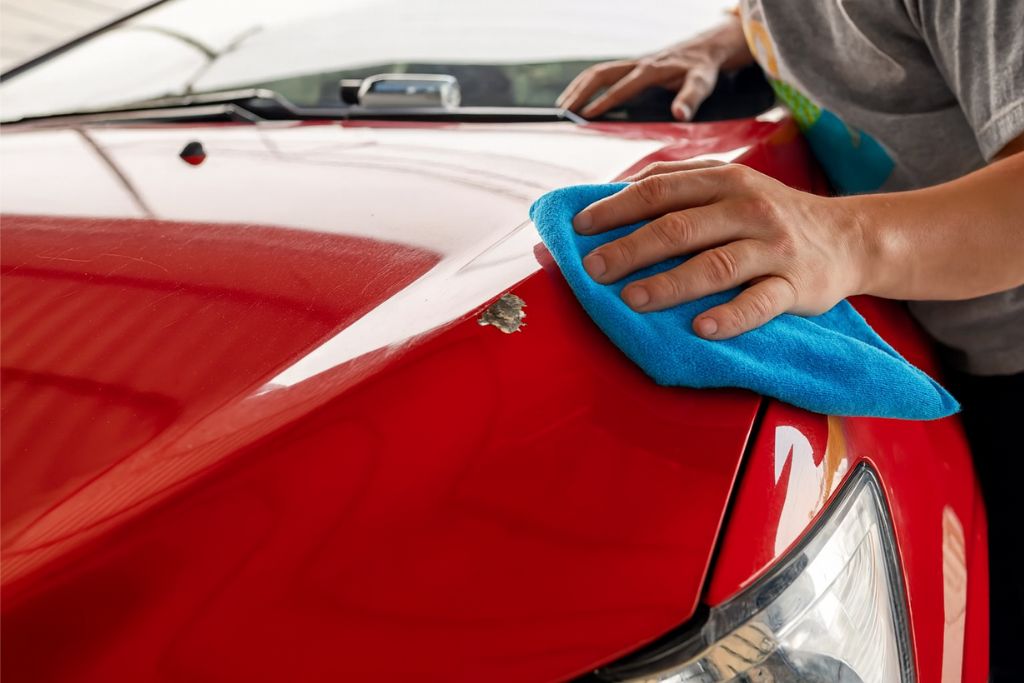
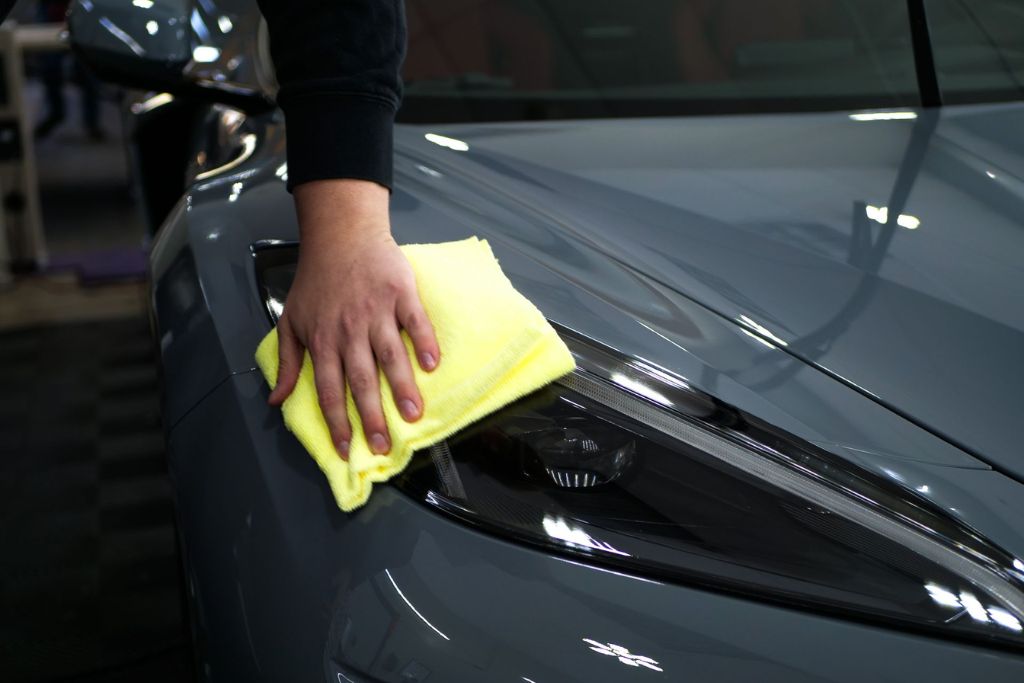
Use a microfiber cloth and gentle cleaner to safely remove bird droppings without damaging your car’s finish.
Act Fast to Prevent Damage
Promptly removing bird droppings minimizes the potential for lasting damage. Here’s the safest approach:
Softening the Dropping: Spray the affected area with a gentle, pH-balanced cleaning spray designed specifically for automotive use.
Safe Wiping Technique: Using a clean microfiber cloth, gently remove the droppings without rubbing harshly, to avoid scratching your car’s finish.
Rinse Thoroughly: Rinse the area with clean water or apply a spot-free rinse method to remove any residue.
Avoid Common DIY Pitfalls
While DIY solutions may seem convenient, avoid using abrasive materials, household cleaners, or dry wiping methods, as these can inadvertently scratch or harm the paint’s protective layers.
Effective Preventative Measures to Protect Car Paint
Preventing bird droppings from causing damage is simpler and less expensive than restoring damaged paint. Here are easy and effective preventative measures:
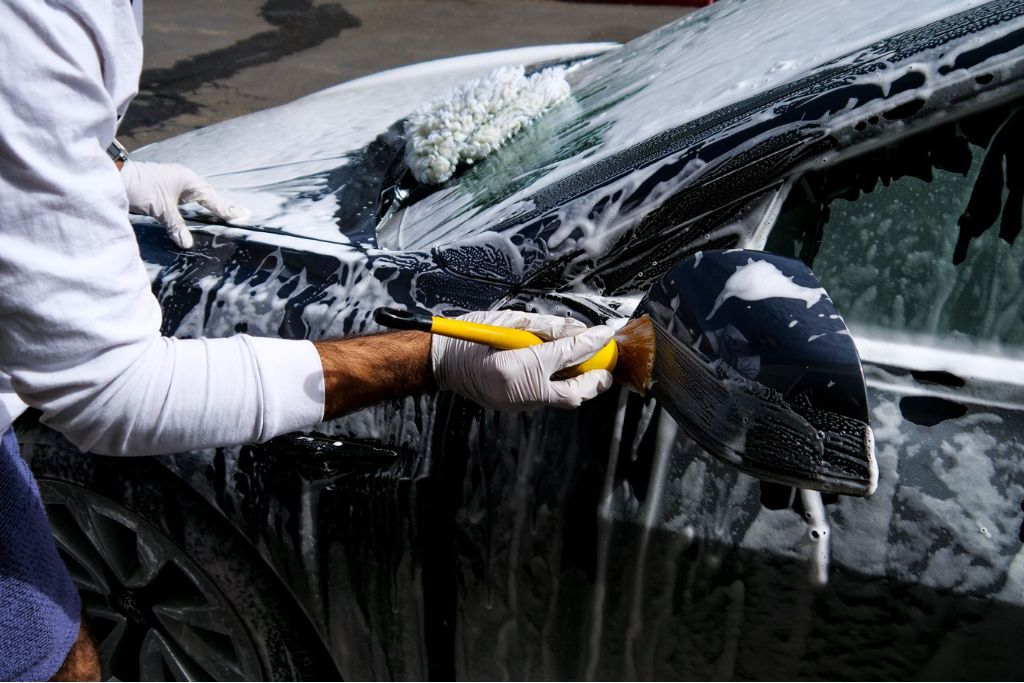
Regular detailing and protective coatings help prevent bird droppings from harming your car’s paint.
Park Smart
Avoid parking under trees, light poles, or power lines, as these are common resting spots for birds. Choosing sheltered parking or using a protective car covering significantly reduces exposure to bird droppings.
Routine Maintenance
Regular car detailing not only keeps your vehicle looking great but also adds protective layers that defend against harmful elements. Incorporating practices like waterless car washes and detailing clay bar treatments will preserve your paint’s health.
Enhancing Protection with Car Wax and Sealants
Quality waxes and paint sealants offer significant protective benefits by forming a barrier against harmful substances, including bird droppings.
Regularly applying car wax enhances your car’s appearance and increases the durability of the paint sealant, making the removal of droppings easier and less damaging.
Superior Protection: Ceramic Coating and Paint Protection Film
For long-lasting and superior protection, professional-grade solutions such as ceramic coating and paint protection film (PPF) deliver exceptional results.
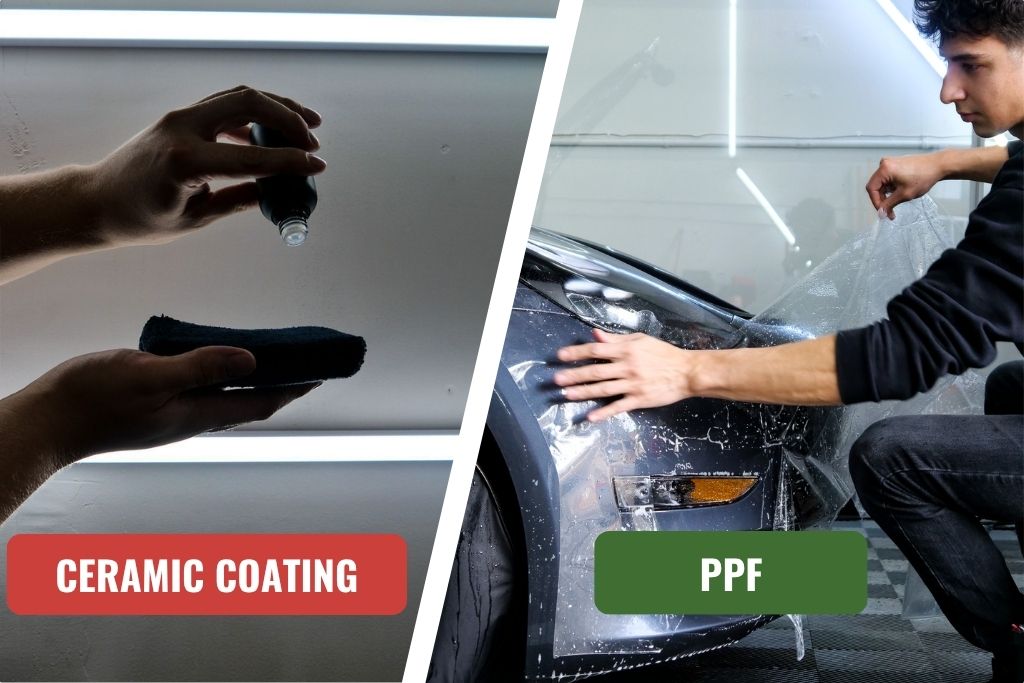
Ceramic coating and PPF work together to provide superior protection against bird droppings and other paint hazards.
Ceramic Coating
Ceramic coatings provide a durable, hydrophobic surface treatment, making bird droppings easier to clean and reducing the risk of etching. Unlike wax, ceramic coating offers enhanced UV resistance and maintains its effectiveness for a longer period.
PPF, also known as Clear Bra, provides a physical barrier against acid etching caused by bird droppings, rock chips, and environmental contaminants. This virtually invisible protective film can last several years, offering unmatched durability.
The Role of Professional Detailing and Regular Maintenance
Regular professional detailing helps guard your car’s paint against bird droppings and preserves its showroom shine.
Regular detailing sessions can dramatically extend your car’s paint life. Skilled detailers, such as those at 48 Detailing, utilize specialized techniques and products, including detailing clay bars and UV-resistant coatings, to prevent damage before it occurs.
Routine detailing helps:
Maintain your car’s resale value
Provide lasting protection against bird-dropping stains.
Enhance the overall appearance and gloss of your vehicle.
With meticulous attention to detail, our experts at 48 Detailing ensure your vehicle remains pristine year-round.
Common Mistakes to Avoid When Protecting Your Car from Bird Droppings
Gentle microfiber cleaning helps avoid common mistakes when protecting your car from bird droppings.
Here are some frequent pitfalls to steer clear of:
Using harsh chemical cleaners or abrasive materials
Ignoring droppings for extended periods
Relying solely on DIY solutions without proper technique
Skipping regular protective treatments and detailing
By being aware of these common errors, you’ll be better equipped to keep your vehicle looking its best.
Protect Your Vehicle with Confidence
Protecting your car from bird-dropping damage doesn’t have to be complicated. With these strategies and timely action, your vehicle can remain spotless and protected. Trust the professionals at 48 Detailing Surprise, Arizona’s top-rated auto detailing and paint protection specialists, to safeguard your car with exceptional care.
Why do protective waxes and sealants help prevent damage?
They form a protective barrier that prevents droppings from directly contacting your car’s paint, reducing acid etching and making cleaning easier.
Why is professional ceramic coating more effective than wax?
Ceramic coatings offer superior chemical resistance, durability, and hydrophobic properties compared to traditional waxes, providing longer-lasting protection.
Why does parking under trees increase the risk of droppings?
Birds commonly perch in trees, significantly increasing your car’s exposure to droppings.