
Arizona window tint laws require front side windows to allow 33% light transmission, with a permitted tolerance of plus or minus 3%. Rear side and rear windows may be darker when reflectivity and mirror requirements are met. Windshield tint is limited to the legally permitted upper portion of the glass.
At 48 Detailing, we know Arizona drivers want relief from intense sunlight, glare, and cabin heat. We also know that selecting window tint can become confusing once percentages, reflectivity, factory glass, and legal limits enter the conversation.
The right tint should improve comfort without creating unnecessary visibility or compliance concerns. This guide explains the Arizona window tint laws 2026 vehicle owners should understand before installing new film or replacing an older tint.
What Are the Arizona Window Tint Laws at a Glance?
The legal limit depends on the location of the glass.
Vehicle glass | General Arizona requirement |
Front side windows | 33% light transmission, plus or minus 3% |
Rear side windows | No stated minimum VLT; reflectivity rules still apply |
Rear window | Dark tint is permitted when qualifying left and right outside mirrors are present |
Windshield | Tint is restricted to the legally permitted upper portion |
Reflectivity | Regulated glass must remain within the applicable luminous reflectance limit |
Medical exemption | May be available for qualifying medical needs through the state process |
One of the most important details is that the law considers the glass and tint film together. A film labeled 35% does not necessarily create a finished window that measures 35%.
What Does VLT Mean on Window Tint?
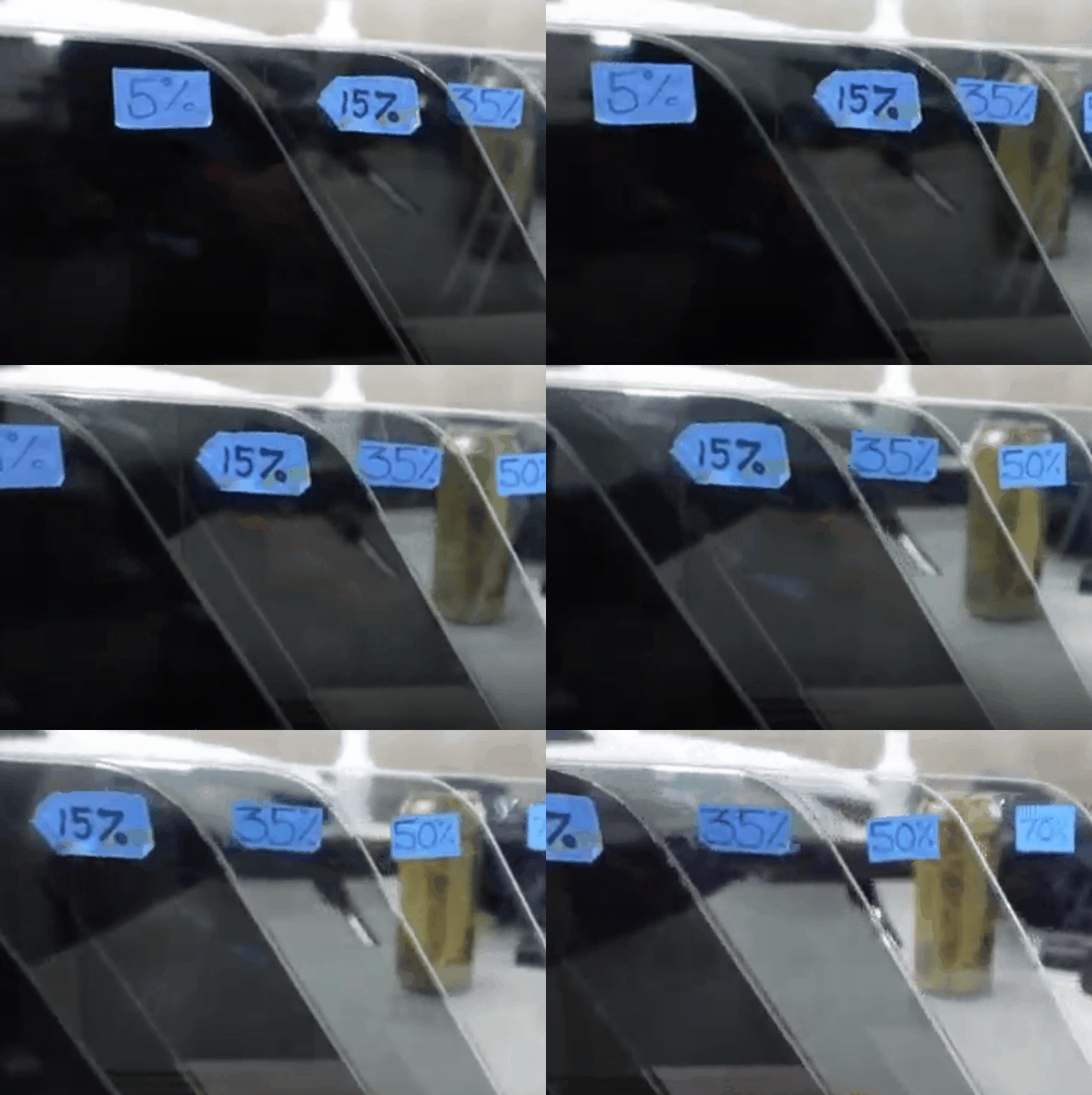
Visible light transmission, commonly shortened to VLT, measures how much visible light passes through a window.
A high VLT percentage allows more light through. A low percentage creates a darker appearance.
For example:
- 70% VLT: Very light appearance with strong outward visibility
- 35% VLT: Medium shade that balances appearance and visibility
- 20% VLT: Darker shade with increased privacy
- 5% VLT: Very dark “limo tint”
VLT does not directly measure infrared heat rejection, UV protection, or reflectivity. Those are separate film characteristics.
Why Doesn’t the Film Label Tell the Whole Story?
Factory automotive glass is not always perfectly clear. It may already reduce some visible light before film is installed.
For a simplified example, placing a 50% film on glass that transmits 70% of visible light could result in a combined reading near 35%. The actual result should be checked with an appropriate window tint meter.
This is one of the most common misunderstandings we address at our Surprise shop. Vehicle owners may arrive asking for a particular film percentage without realizing that their factory glass affects the final Arizona window tint percentage.
Our guide to choosing the right window tint percentage in Arizona explains how common shades affect privacy, appearance, and visibility.
What Are the Arizona Window Tint Laws for Front Side Windows?
The Arizona front window tint law requires the side windows beside the driver and front passenger to provide 33% light transmission, with a tolerance of plus or minus 3%. The glass must also remain within the state’s luminous reflectance standard.
You may see this described as the “33 percent window tint Arizona rule.” That phrase is useful as a starting point, but it should not be interpreted as permission to install any film labeled 33%.
The final glass-and-film combination is what matters.
Why Must Arizona Front Windows Allow More Light?
The driver relies on the front side windows when:
- Checking side mirrors
- Turning across traffic
- Changing lanes
- Watching for cyclists and pedestrians
- Navigating parking lots
- Driving on poorly lit roads
Very dark film can make those tasks more difficult after sunset. In our experience, drivers who spend significant time on rural roads or commute before sunrise often benefit from choosing a lighter shade rather than selecting the darkest possible option.
We never recommend choosing a front-window shade based on appearance alone. Daytime comfort matters, but nighttime visibility matters too.
Is 20 Percent Tint Legal in Arizona?
A frequent question we hear is, “Is 20 percent tint legal in Arizona?”
For standard front side windows, 20% tint is generally too dark because it would normally cause the completed window to fall below Arizona’s required transmission range.
Behind the driver, 20% tint may be permitted when the installation meets the applicable reflectivity and mirror requirements.
That means 20% may work for rear side windows or back glass, but it should not be treated as a legal front-window option for most vehicles.
Is 5 Percent Tint Legal in Arizona?
Five-percent film allows very little visible light through. It creates substantial privacy but can noticeably reduce outward visibility.
Under Arizona window tint laws, 5% film is not appropriate for ordinary front side windows. It may be used on rear side windows or qualifying rear glass when the other legal requirements are satisfied.
Legal does not always mean practical, however.
We encourage drivers to consider how often they reverse at night, travel through unlit areas, or rely on rear-quarter visibility. The darkest legal tint in Arizona may not be the most comfortable or safest shade for every person.
What Is the Arizona Rear Window Tint Law?
Arizona gives vehicle owners more flexibility with rear side windows and back glass than with front side windows.
There is no stated minimum VLT for the rear side windows. That means they may generally be darker than the front doors, provided the film complies with the reflectivity requirement.
The rear window can also be dark when the vehicle has functional outside mirrors on both the left and right sides. Those mirrors must provide an adequate view of the highway behind the vehicle.
Why Are Dual Side Mirrors Required?
Dark rear window tint can block the driver’s direct view through the cabin and out the back glass. When that happens, the outside mirrors become the primary way to monitor vehicles approaching from behind.
Both mirrors should be:
- Present and functional
- Properly adjusted
- Free from damage
- Clear of obstructions
A backup camera is helpful while parking, but it does not replace the broader rearward view provided by correctly adjusted mirrors.
What About Factory Privacy Glass?
Many SUVs, trucks, and crossovers come with dark factory privacy glass behind the front doors. Privacy glass is part of the glass itself rather than an aftermarket film.
Adding window film over factory privacy glass can improve heat rejection and create a more consistent appearance, but it can also make the finished glass much darker.
When we inspect a vehicle, we account for the existing glass instead of assuming every rear window starts at the same VLT.
What Does the Arizona Windshield Tint Law Allow?
The windshield is treated more strictly because it provides the driver’s primary forward view.
Under the Arizona windshield tint law, film is restricted to the legally permitted topmost portion of the glass. Arizona’s statute uses a vehicle-specific measurement involving the position of the driver’s seat.
Many windshields also have an AS-1 line near the top. Although that marking is commonly used as a practical reference, drivers should not assume that the same five- or six-inch strip is appropriate for every vehicle.
Why Is Windshield Tint Restricted?
Keeping the main viewing area clear helps the driver see:
- Traffic signals
- Lane markings
- Vehicles entering the roadway
- Pedestrians and cyclists
- Hazards in rain or low light
An upper visor strip can reduce overhead glare without covering the driver’s central field of view.
A light or nearly transparent film should not automatically be assumed legal across the full windshield simply because it is difficult to see. Film darkness, heat performance, and legal placement are separate considerations.
Why Does Window Tint Reflectivity Matter?
Visible light transmission measures the light passing through a window. Luminous reflectance measures how much light reflects outward from it.
Arizona regulates reflectivity because highly mirrored films can create glare for surrounding drivers. A tint could have an acceptable VLT and still create a concern if its exterior reflection is excessive.
When helping a client compare film, we look beyond darkness. Important considerations include:
- Finished VLT
- Exterior reflectivity
- Infrared heat rejection
- UV protection
- Glare control
- Optical clarity
- Nighttime visibility
This is also why a very dark film is not automatically a better-performing film.
Can Legal Tint Still Reduce Arizona Heat?
Yes. A legal, lighter shade can still deliver meaningful heat and UV protection when the film uses the right technology.
Ceramic window film is especially useful in Arizona because heat rejection does not have to depend entirely on darkness. A driver can choose a lighter VLT for clearer visibility while still improving infrared heat rejection and UV protection.
At 48 Detailing, our professional car window tinting in Surprise, Arizona includes dyed-carbon, single-layer ceramic, and dual-layer ceramic options. Each package has different performance characteristics, shade choices, and warranty coverage.
For a closer comparison, read our guide to the best car window tint for Arizona summer heat. We also explain the practical benefits of ceramic window tint for Surprise drivers.
How Do We Help Clients Choose the Right Tint?
In our shop, we start with questions rather than immediately recommending the darkest film.
We ask how the vehicle is used, when it is driven, and what the owner wants to improve. A family vehicle used for school runs may need a different setup from a sports car driven mainly during the day.
We Consider the Driver’s Routine
Drivers who travel frequently at night may prefer lighter front and rear shades for better visibility.
Clients who spend most of the day commuting in full sun may prioritize heat rejection and glare reduction. In that situation, ceramic film can provide strong performance without requiring unnecessarily dark glass.
We Inspect the Existing Glass
Before installation, we check for:
- Factory privacy glass
- Existing aftermarket tint
- Adhesive residue
- Scratches or glass damage
- Defroster lines on the rear window
- Sensors or electronics near the glass
Older tint sometimes needs to be removed before new film can be applied properly. Bubbling, peeling, haze, and purple discoloration are common signs that the film has deteriorated.
Our article on when car window tint needs replacement explains what vehicle owners should look for.
We Set Realistic Expectations
Window film can improve comfort, reduce glare, and help protect interior materials from UV exposure. It cannot make a parked vehicle immune to Arizona heat.
The cabin can still become hot when a vehicle sits in direct sunlight. Window tint helps manage solar energy and can make the interior more comfortable, but results depend on the film, glass area, vehicle design, shade choice, and parking conditions.
That honest distinction matters when comparing products.
What Happens During Professional Window Tinting?
A quality installation depends on preparation as much as the film itself.
Glass Inspection and Cleaning
We begin by inspecting and thoroughly cleaning the glass. Dust, fibers, old adhesive, and other contamination can become trapped under the film if the surface is not prepared correctly.
Film Selection and Application
We help the client choose a film based on heat performance, visibility, appearance, and legal considerations. The film is then custom cut and carefully applied for clean edges and consistent coverage.
Final Inspection
After installation, we inspect the film, edges, and surrounding glass. We also explain what the client should expect as the film cures.
You can view examples across a wide range of vehicles in our automotive protection gallery.
How Should You Maintain New Window Tint?
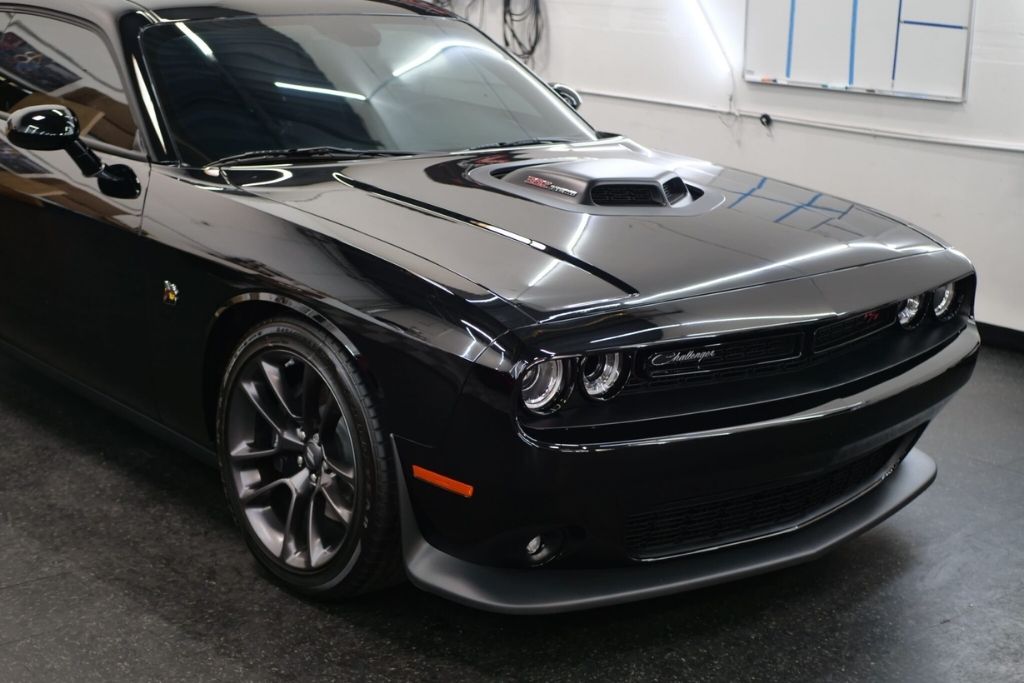
New film needs time to settle and dry. A slightly hazy appearance or small moisture pockets can be normal during the curing period.
To care for the installation:
- Follow the aftercare instructions provided by the installer.
- Avoid lowering the windows until advised.
- Use a soft microfiber towel.
- Choose a tint-safe glass cleaner.
- Avoid abrasive pads and sharp tools.
- Do not scrape around film edges.
- Have lifting, bubbling, or unusual haze inspected early.
Curing time varies with film type, temperature, humidity, and vehicle conditions. Arizona warmth can help moisture evaporate, but the film should still be treated carefully during the initial period.
Does Arizona Allow a Medical Tint Exemption?
Arizona may issue a medical exemption for a person who must be protected from direct sunlight because of a qualifying medical need.
The process requires supporting medical documentation and approval through the appropriate state procedure. It should not be treated as automatic permission to place any film on any window.
The exemption generally applies to side and rear glass rather than unrestricted tint below the permitted windshield area. Drivers should confirm their approval and applicable limits before scheduling installation.
Watch a Professional Window Tint Installation
Seeing the installation process can make it easier to understand what separates professional window tinting from a rushed application. This video provides an in-depth look at how automotive window film is prepared, positioned, smoothed, and finished.
It also shows why proper surface preparation, careful film handling, and attention to edges matter for a clean, durable result.
At 48 Detailing, we follow a detail-focused process designed to produce consistent coverage, clean edges, and a finish suited to the vehicle. The installation method matters just as much as the tint percentage or film technology you choose.
Choose Tint That Fits Arizona Driving
Understanding Arizona window tint laws helps you make a better decision about comfort, privacy, appearance, and visibility. Front windows must meet the required light-transmission range, rear windows offer more flexibility, and windshield tint must stay within the permitted upper area.
At 48 Detailing, we help Surprise-area vehicle owners compare films honestly. We consider the existing glass, driving habits, performance goals, legal limits, and long-term expectations before recommending an option.
For professional guidance from our local team, contact 48 Detailing in Surprise or request a free window tint quote.
Frequently Asked Questions About Arizona Window Tint Laws
What Is the Legal Tint Percentage in Arizona?
Front side windows must provide 33% light transmission, with the tolerance allowed by state law. Rear side windows do not have the same minimum VLT requirement.
Is 35% Tint Legal on Arizona Front Windows?
It may produce a compliant result, but the final reading depends on the factory glass and film together. A 35% film label does not guarantee a 35% finished VLT.
Can Rear Windows Be Darker Than Front Windows?
Yes. Arizona allows greater darkness behind the driver, provided the applicable reflectivity and dual-mirror requirements are satisfied.
Are Window Tint Laws in Surprise, AZ Different?
No separate Surprise tint percentage applies. Vehicle owners in Surprise follow the statewide Arizona window tint laws.
